Top 10 Best Changes to Agatha Christie Adaptations
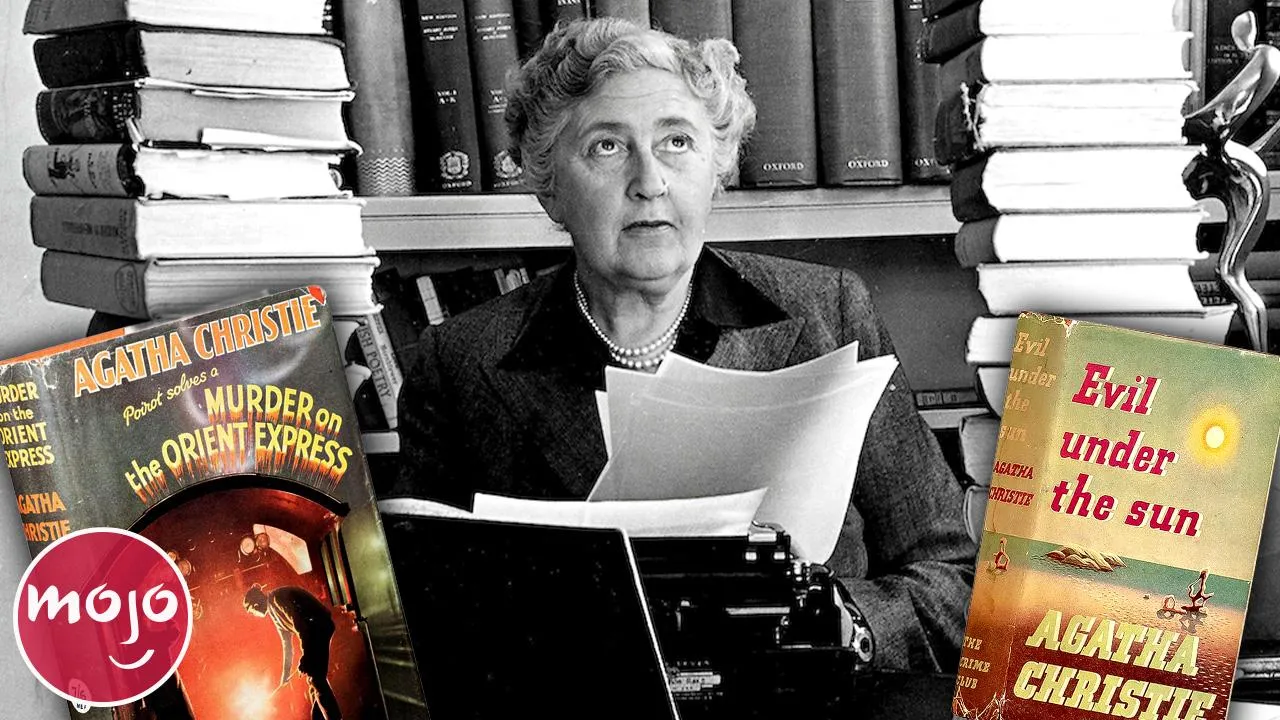
#10: Detective Bundle Brent
“Agatha Christie's Seven Dials” (2026)
Netflix’s take on “Seven Dials” finally gives Lady Eileen “Bundle” Brent the reins, and honestly, it’s about time. In the novel, Bundle is sharp and curious but often pushed to the side while bigger players steer the action. The series flips that entirely. This time, she’s the one chasing leads, poking at secrets, and accidentally wandering into espionage messes that clearly exceed polite society rules. It definitely adds something watching her drive the story. The gender swap of Lord Caterham into Lady Caterham is another inspired move, especially since it pulls Bundle’s own family straight into the conspiracy. It makes the danger feel personal, messy, and far more fun to watch unravel.
#9: Supernatural Goings-On
“A Haunting in Venice” (2023)
Kenneth Branagh’s adaptation takes Christie’s fairly grounded “Hallowe’en Party” and deliberately pushes it into spookier territory. While Poirot ultimately explains every so-called ghostly moment with cold logic, the film spends a long time making you doubt everything. He keeps the line between real danger and supernatural suggestion, which is constantly blurred, unusual territory for a Christie adaptation. The setting does a lot of the heavy lifting, too, with its shadowy corridors and decaying grandeur adding to the unease. Instead of a cozy puzzle, the mystery plays like a gothic thriller that keeps nudging Poirot out of his comfort zone. It’s a bold tonal shift that knowingly toys with audience expectations.
#8: A Streamlined Voyage
“Death on the Nile” (1978)
The 1978 adaptation knows exactly what it is and wastes zero time pretending otherwise. Christie’s crowded suspect list gets trimmed just enough to keep things sharp without losing the intrigue. That breathing room lets performers like Bette Davis and Maggie Smith truly go at each other, trading looks and lines like daggers. Subplots are simplified, motives are more defined, and the emotional beats become much clearer. Tossing in moments like the cobra scare adds visual punch without derailing the mystery. It’s less about meticulous logic and more about momentum, personalities, and building tension. No wonder we still enjoy dusting off this old classic and rewatching it decades later.
#7: A New Witness
“Murder, She Said” (1961)
“Murder, She Said” makes one major change to “4.50 from Paddington” and builds everything else around it. By letting Miss Marple witness the train murder herself, the film removes the intermediary role played by Elspeth McGillicuddy in the novel. The mystery still unfolds along Christie’s original lines, with the missing victim and the slow process of proving a crime even happened. Giving Marple firsthand knowledge strengthens her resolve when the authorities dismiss her and keeps the story moving efficiently. Her decision to go undercover as a housekeeper fits comfortably within Christie’s logic, while also giving Margaret Rutherford room to dominate the screen in her own distinctive way.
#6: A Change of Location
“Evil Under the Sun” (1982)
Moving from Devon to a blinding Mediterranean resort turns the story into a sun-drenched pressure cooker. The heat presses in on everyone, tempers fray, and polite manners start slipping. That contrast between postcard beauty and murder works wonders on screen, especially when Poirot finally lays everything out like a welcome splash of cold water. The setting also sharpens the satire. Watching rigid, status-obsessed guests melt under the sun adds bite and humor that the novel keeps more subdued. The added Tiffany diamond subplot gives Poirot a reason to circle Arlena early, setting up a sly game between hunter and prey long before she’s murdered.
#5: More Psychological Twists
“Agatha Christie's Poirot: Five Little Pigs” (2003)
Christie’s “Five Little Pigs” might just already be one of her most emotionally loaded novels, and the 2003 Poirot adaptation builds directly on that foundation. The structure of revisiting five conflicting memories remains intact, but the dramatization makes the long-term consequences feel heavier. Showing Caroline Crale’s execution shifts the focus toward finality and loss, while Carla’s motivation becomes simpler and more grounded. She just wants peace for her mother, not an abstract answer about herself. Adjusting Philip’s feelings to center on Amyas instead of Caroline sharpens the web of jealousy Christie designed. Nothing feels rewritten, just clarified, making the solution feel sadder, quieter, and more human.
#4: A Miss Marple Reimagining
Various
Margaret Rutherford’s iconic take on Miss Marple in the 1960s films was a bold re-imagining that breathed new life into the beloved character. Eschewing Christie’s quiet, demure spinster, Rutherford brought a formidable, almost theatrical presence to the role. Her Marple was not merely an astute observer from St. Mary Mead but a delightfully eccentric, robust woman who enthusiastically plunged headfirst into danger, whether masquerading as a maid or engaging in a spot of fencing. This dynamic, often comedic, portrayal made Marple an unforgettable cinematic figure, carving out a distinct legacy that continues to entertain audiences despite its clear deviation from the literary source.
#3: A More Hopeful Ending
“And Then There Were None” (1945)
Christie’s bleakest story gets a mercy edit in the 1945 film, and the timing explains a lot. Letting Vera Claythorne and Philip Lombard survive gives audiences something solid to hold onto after all that dread. The tension and moral reckoning remain, but the ending offers release instead of total annihilation. For some fans, it softens the blow too much, yet it also reframes the story around accountability rather than pure nihilism. Later adaptations played with this idea in different ways, either restoring the darkness or deepening the psychology behind it. The 1945 version stands as a snapshot of its moment, choosing hope without completely abandoning unease.
#2: A Change in Murderer
“Ordeal by Innocence” (2018)
Switching the killer is the kind of move that makes Christie fans sit bolt upright, and the 2018 series knows it. Revealing Leo Argyll as the murderer instead of the housekeeper reframes the entire story around power, control, and cruelty. Jacko’s innocence becomes even more tragic, while the family’s polished exterior starts to rot in real time. It’s an uncomfortable watch in the best way. It really makes you rethink everything you’ve seen and heard so far. This bold narrative re-imagining echoed earlier successful killer switches in adaptations like “The Body in the Library”, “The Sittaford Mystery”, and “The Secret of Chimneys”, demonstrating a willingness to surprise even the most ardent fans.
#1: A Plot Twist Ending
“Witness for the Prosecution” (1957)
Billy Wilder’s “Witness for the Prosecution” understands the exact mechanics of Christie’s sting and times it perfectly. Just when the case seems neatly wrapped, and justice feels comfortably delivered, the film springs its trapdoor and sends everything crashing through it. The original twist is intact, still sharp enough to cut, but Wilder adds a final, merciless turn that makes the ending linger far longer than expected. Christie herself reportedly praised this adaptation, which says a lot. We don’t know where you sit on the jury, but our verdict is that this cinematic triumph ensures that justice, in its most dramatically satisfying form, is unequivocally served.
Which change to an Agatha Christie novel did you think worked the best? Let us know in the comments
