8 FAILED American Fast Food Chains That STILL EXIST In Other Countries
8 Failed American Fast Food Chains That Found Success Overseas
Matrix link:
Welcome to WatchMojo, and today we’re looking at American fast food chains that packed their bags and found new life abroad.
A&W Restaurants
Once a giant of American fast food, A&W Restaurants helped pioneer the drive-in experience. Its signature root beer and classic burgers became part of American culture. Founded in 1919, it grew into one of the country’s earliest national chains, famous for frosty mugs and carhop service. But in America, the magic faded. Shifting ownership, inconsistent branding, and relentless competition from giants like McDonald’s and Burger King slowly eroded its dominance. Today, its American footprint is just a shadow of what it once was. Cross the border, though, and the story flips. A&W Canada has reinvented the brand into one of the country’s most successful fast food chains, with hundreds of locations and a fiercely loyal following.
Chicken Delight (1979)
Before buckets and secret recipes ruled the fast food chicken market, there was Chicken Delight. Founded in the 1950s, it was one of the earliest fried chicken franchises in the U.S. For a brief, glorious moment, it was everywhere. At its peak, Chicken Delight had hundreds of locations and a simple, ahead-of-its-time model: takeout and delivery, long before that was the industry standard. But the empire soon collapsed. Legal battles over franchising practices, combined with the rise of chains like KFC, sent the brand into freefall. By 1979, it had largely vanished in the U.S. Overseas, though the story didn’t end. Chicken Delight found new life in Canada, where the brand continued operating for decades.
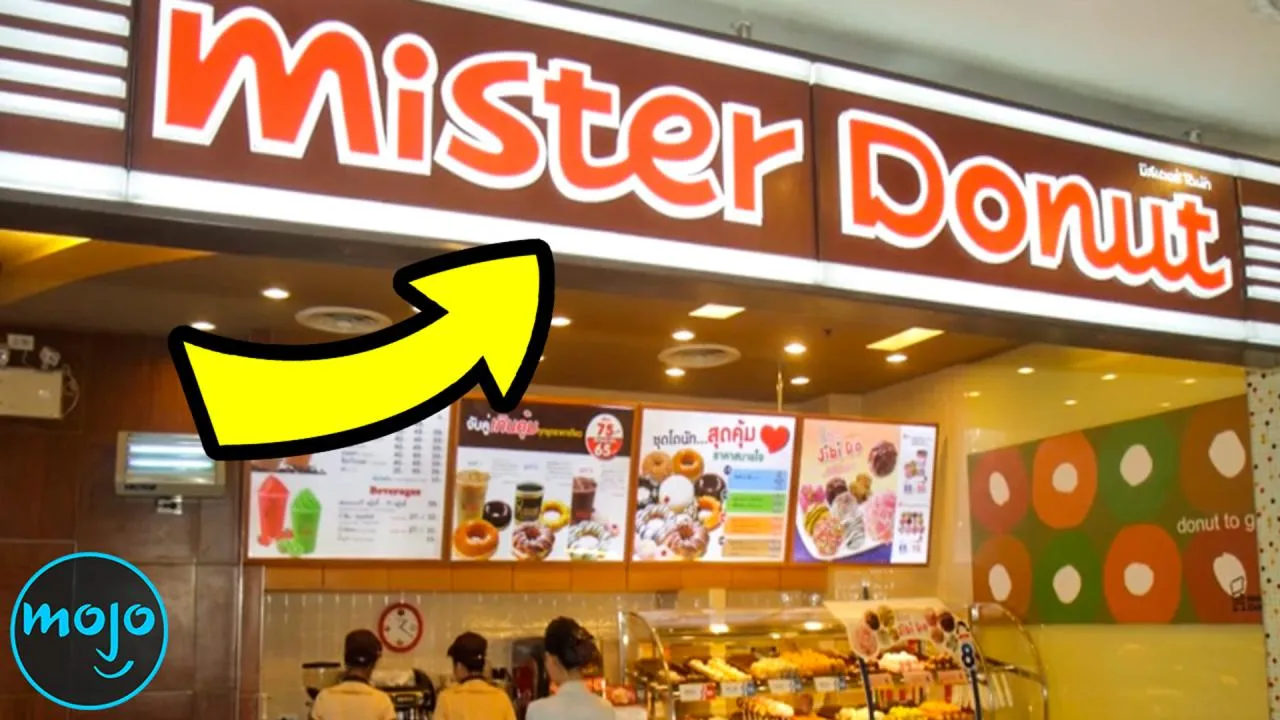
Mister Donut (2006)
Did you know Dunkin’ Donuts once had a sibling rivalry? Mister Donut was founded in 1956 by Harry Winouker, brother-in-law and former business partner of Dunkin’ founder William Rosenberg. What followed was a full-on donut war. For decades, the two chains competed head-to-head across the United States. Each raced to dominate the growing to-go coffee and breakfast market. But the rivalry didn’t last. In 1990, Dunkin’ Donuts acquired Mister Donut. Within a few years, the brand had all but disappeared in the U.S. - absorbed, converted, and erased. In Japan, though, Mister Donut had already taken root, and then it exploded. Operated by a licensee, it became one of the country’s most beloved chains, with over a thousand locations and a fiercely loyal following.
Pioneer Chicken
Before the fried chicken wars were dominated by a handful of global giants, there was Pioneer Chicken. Founded in LA during the early 1960s, it built a devoted following. Its crispy chicken, hearty sides, and distinct branding made it a household name on the West Coast. At its peak, the chain spread across California and beyond, becoming a serious player in the fast food chicken boom. The momentum didn’t last. By the late 1980s, Pioneer Chicken had filed for bankruptcy. Most of its locations disappeared or were absorbed by competitors. But it didn’t die completely. Pioneer Chicken found a second life, in Indonesia, under the name “California Fried Chicken.” Today, it hopes to make a comeback in the City of Angels.
Tully's Coffee (2018)
Starbucks isn’t the only coffee brand to come out of Seattle. Tully's Coffee, founded in 1992, positioned itself as a direct rival, positioning itself as a premium alternative with a cozy, upscale café experience. For a time, it carved out a loyal following in the Pacific Northwest and expanded across the United States. But in real life, David rarely beats Goliath. Tully’s struggled financially, ultimately filing for bankruptcy in 2013. Most of its American locations closed soon after, and by 2018, the brand had effectively disappeared from the United States. But like many offbeat American exports, Tully’s was big in Japan. Through a licensing deal, it grew into a major coffee chain across the country, with hundreds of locations and a devoted customer base.
Wimpy
This chain was literally named after a cartoon character. Wimpy takes its name from J. Wellington Wimpy, the burger-loving schemer from Popeye. He was a perfect built-in mascot. Founded in the 1930s, Wimpy became one of America’s earliest hamburger chains. Serving simple, affordable comfort food, Wimpy became a staple through World War II and the 1950s. But while it helped define early fast food in the U.S., Wimpy couldn’t keep up with the rise of McDonald’s and its competitors. Over time, it faded from the American landscape. In the UK and South Africa, though, Wimpy didn’t just survive—it thrived. Today, Wimpy's been reinvented as a sit-down dining experience with a completely different identity.
Kenny Rogers Roasters
It started as a celebrity-backed gamble; for a moment, it worked. Kenny Rogers Roasters was founded in 1991 by Kenny Rogers and former KFC investor John Y. Brown Jr. It was built around a simple idea: rotisserie chicken as a healthier alternative to fried fast food. The chain expanded rapidly across the United States, riding both its celebrity name and a growing appetite for lighter options. Its addictiveness was even the butt of a joke on “Seinfeld.” But its popularity was a flash in the pan. It couldn’t compete with Boston Market, KFC, or Popeyes, and went bust before the decade was through. In Southeast Asia, though, it found lasting success, becoming a well-known chain with a strong presence in Malaysia and the Philippines.
Chi-Chi's (2004)
For a time, Chi-Chi’s was one of America’s go-to casual dining spots. Founded in 1975, it helped introduce Tex-Mex to the Midwest. Chi-Chi’s was known for its big portions, bright décor, and party vibes. By the 1980s, it had grown into a nationwide chain. But the party didn’t last. Financial troubles mounted through the 1990s. In 2003, they filed for bankruptcy. Then came the final blow: a hepatitis A outbreak traced to a Pennsylvania location sickened hundreds and killed several people. By 2004, Chi-Chi’s had gone extinct in America. Overseas, though, the party lived on. In Europe, the Chi-Chi’s name lived on through packaged foods and licensed restaurants, especially in Belgium and Austria. In 2025, a new location opened in Minnesota, signalling a potential American comeback.
Which of these chains would you bring back from the dead in the U.S. if you could? Let us know in the comments below!
