Top 10 Movies That Became LGBTQIA+ Cult Classics
#10: “The Devil Wears Prada” (2006)
On the surface, it may seem that the impeccable outfits are the main reason this film is so widely adored by the LGBTQIA+ community. However, the connection goes far beyond the flawless fashion. Each character and their arc correlate to a specific queer experience, from an underdog protagonist attempting to dismantle toxic ideals to a gay man who was forced to hide his love for style in his youth. Beyond that, the dialogue also holds a special place in the hearts of some members – especially Miranda’s scathing yet shockingly accurate reads. Those elements combined with the stunning designer looks create the formula for an iconic cult classic.
#9: “Grey Gardens” (1975)
This documentary is proof that the community can turn anybody into an icon. “Grey Gardens” follows the lives of two former socialites – Big Edie and Little Edie Beale – living in squalor. Between the sensationalized portrayal of their lives are moments of pure camp greatness, which have come to be revered by some who identify as queer. The younger Beale in particular has resonated with viewers, with her over-the-top looks and even more outrageous personality. However, the two women are seen as anything but a joke. To many, their story is one of constant resilience in the face of ridicule from society at large. With that in mind, it isn’t hard to see why their story resonates with those who’ve experienced similar strife.
#8: “The Rocky Horror Picture Show” (1975)
Thanks to continued support, this film went from a certified failure to a contemporary classic. When “The Rocky Horror Picture Show” first premiered, it was practically ignored by everyone but those who identified as LGBTQIA+. It's clear to see why they showed it so much love – and still do to this day. The movie is oozing with campy elements, from the dialogue to the musical numbers. While some elements of Frank-N-Furter’s character haven’t aged well, at the time it was a genuinely groundbreaking portrayal of unapologetic androgyny and sexuality. Its impact goes far beyond its content. The inter-community relationships that have been formed and strengthened by it have ensured its legacy for decades to come.
#7: “Pink Flamingos” (1972)
To many, art is at its best when it's unapologetically subversive. That may be why John Waters’ “Pink Flamingos” is still so widely adored. The very basis of the film is a scathing critique of heteronormative society and homophobia, which makes some of Divine’s outrageous antics seem tame in comparison. It’s a perfect intersection between insanely offensive jokes and progressivism, which caused it to have an immediate impact amongst viewers. It encouraged them to live their lives without shame, even if society deemed it unacceptable. Beyond that, it also served as the ultimate proof that LGBT+ art didn’t need to be inspiring or sanitized in order to make a positive impact on the community at large.
#6: “Whatever Happened to Baby Jane?” (1962)
It should come as no surprise that a film starring icons like Bette Davis and Joan Crawford became a mainstay amongst the community. “Whatever Happened to Baby Jane?” shows the two powerhouse actresses at their very best, playing two sisters embroiled in a longstanding feud. Their talent is the perfect juxtaposition to the campy nature of the plot. It created an intriguing combination that has helped the movie remain beloved decades after its initial release. Beyond the actresses themselves, the characters they portray exude a sense of glamor and drama that resonates with countless fans. Over sixty years later, the picture is still a cultural touchstone, and has been lovingly referenced by everyone from Ryan Murphy to RuPaul.
#5: “Death Becomes Her” (1992)
When paired together in the right way, camp and glamor can make the perfect creative combination. That is definitely the case with “Death Becomes Her,” which tells the story of two complex women going to extreme lengths to obtain eternal youth. The synopsis alone is enough to resonate with members of the queer community who experience similar feelings in their own lives, particularly gay men and trans women. The inclusion of talented divas like Meryl Streep, Goldie Hawn, and Isabella Rossellini is the cherry on top that make it a permanent fixture within the culture. Since its release, it has remained prominent in the drag scene in particular, with queens citing it as an inspiration and playing homage to the characters in their own shows.
#4: “Barbarella” (1968)
As evidenced by some of the other entries on this list, if a movie has an iconic female lead, then there’s a good chance it’s been reclaimed as a queer cinema hidden gem. This applies to “Barbarella,” which has remained a classic amongst the community despite a lack of enthusiasm from critics. The Jane Fonda-led flick is the very definition of kitsch, being centered around an outer space heroine who saves the world while constantly running into strife. The unfettered campiness of the film was enough to hook non-heterosexual audiences. However, the support for it was cemented with the inclusion of Alfie, a queer-coded disembodied voice whose implied sexuality was incredibly radical at the time.
#3: “The Wizard of Oz” (1939)
It may have been beloved by all since the moment it premiered— but its connection to the LGBTQIA+ community is unparalleled. In the decades that followed its release, gay men would use it as a litmus test to identify one another. The story itself resonated with queer viewers, many of whom found similarities between Dorothy’s adventure and their own experiences in leaving home and finding their chosen families. Beyond the symbolism, its visual effects and music have helped it remain a staple nearly a century after its release. “Over the Rainbow” in particular is revered as an anthem for the community and is even considered by some to be the inspiration behind the original rainbow flag.
#2: “Xanadu” (1980)
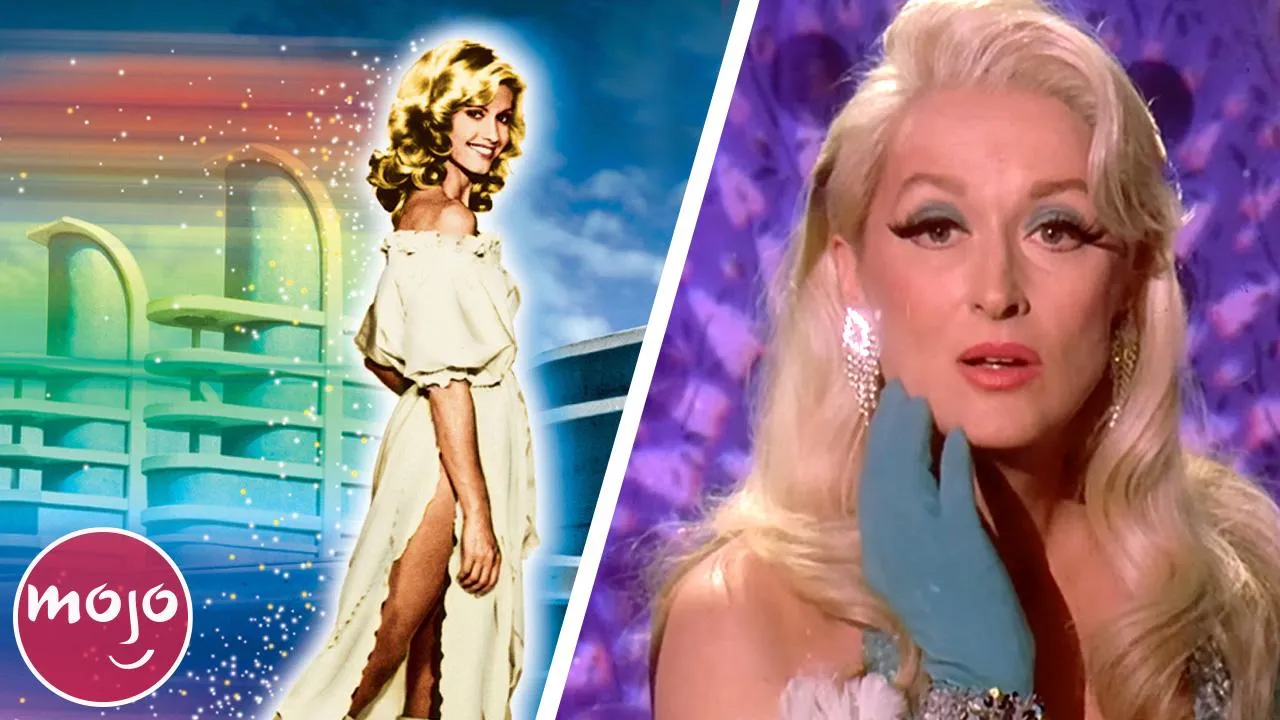
Critics may have panned it, but that didn’t prevent it from being accepted by the community with open arms. The roller skating, disco-infused flick is a masterclass in intentional kitsch, which made it a prime candidate to become an LGBTQIA+ underground classic. “Xanadu” follows an illustrator who accidentally brings his art to life, leading to love and misadventure. Campy elements aside, several other aspects also helped it be embraced. Its star-studded cast, vibrant visuals, and infectiously catchy soundtrack have remained beloved for generations. No one, including the director, anticipated that it would see a resurgence in popularity— especially after its initial reception. Yet it somehow managed to find a fan base that still celebrates it with various adaptations and sing-along events.
Before we unveil our top pick, here are a few honorable mentions.
“The Adventures of Priscilla, Queen of the Desert” (1994)
The Queer Road Trip Film Has Remained a Staple Since the Mid-1990s
“Showgirls” (1995)
Midnight Movie Screenings Held by the Community Helped Change Its Negative Perception
“All About Eve” (1950)
Bette Davis’ Performance Is the Driving Force Behind Its Continued Cult Status
#1: “Mommie Dearest” (1981)
If there’s one thing the community will do, it’s embrace a negatively-received film and turn it into a classic. “Mommie Dearest” is the ultimate example. The movie, which follows the unfortunate childhood of Joan Crawford’s adopted daughter, was panned for its melodrama and overacting. Both of these elements were embraced by LGBTQIA+ audiences. Faye Dunaway’s over the top performance was celebrated rather than denigrated and was the catalyst to its current cult status. Fans would bring wire hangers to showings, and drag queens began doing their best impressions of Crawford’s fictionalized persona in their shows. Its legacy has been carried on by shows like “RuPaul’s Drag Race,” which has ensured that it will be known and loved by multiple generations.
Which film do you consider to be a LGBTQIA+ cult classic? Let us know in the comments below!

