Broadway Etiquette is a LOST ART: How Theaters Became Uncivilized
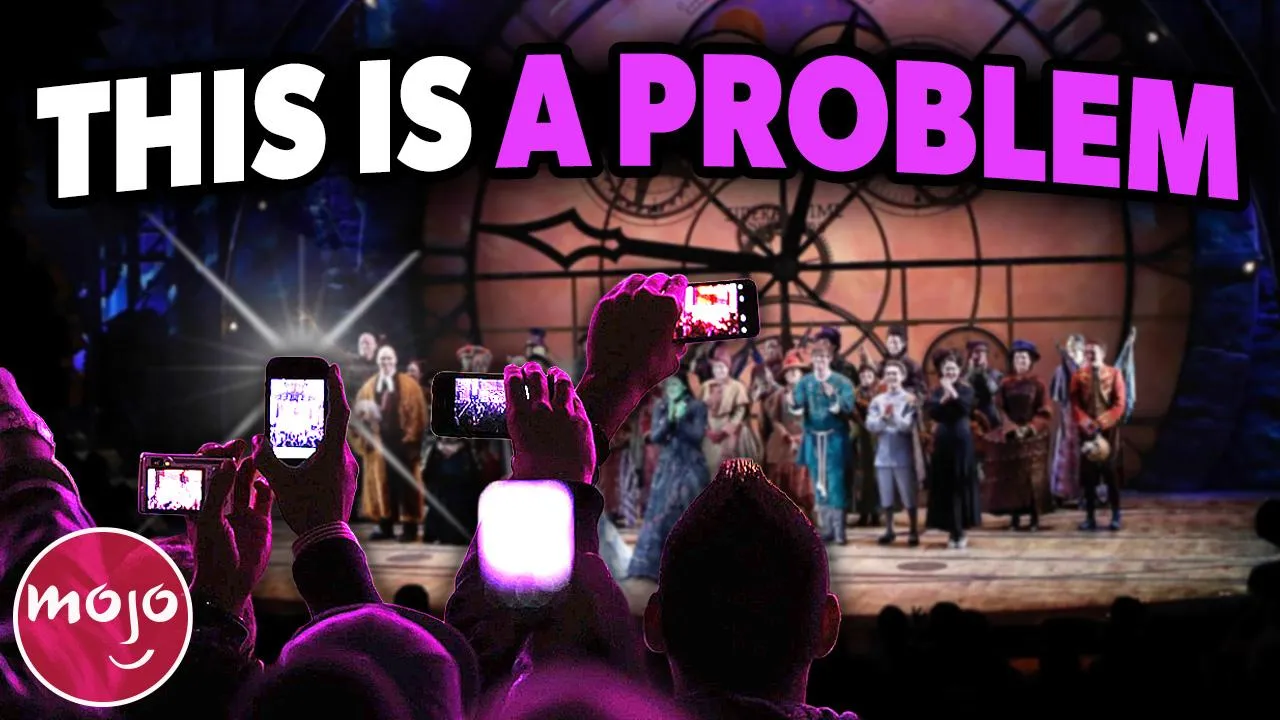
Then Vs. Now: What Happened?
Once upon a time, theatre was treated like a sacred communal event with its own set of unwritten rules. You showed up on time, sat down, kept relatively quiet, and did not treat the orchestra section like your living room during a Super Bowl party. Simple.
Now there’s a growing clash between the old-school “respect the sanctity of the theatre” crowd and a newer, more casual mindset where theatre is viewed as just another entertainment product someone paid for. And if they paid $150 for a ticket, surely that means they can sing along, film the big showstoppers, unwrap a family-sized packet of Maltesers during the death scene, and provide live commentary to their friend in Row G.
Traditional theatre-goers often see any noise or disruption as proof civilization is collapsing, while younger audiences sometimes view strict etiquette rules as stuffy, outdated, or weirdly gatekeeper-y. And honestly, both sides kind of have a point. Theatre is no longer treated solely as a rare, formal event. It’s competing with every other form of entertainment fighting for our attention span in a world where people watch Netflix while simultaneously scrolling TikTok and texting someone about another show they’re half watching.
Sure, some shows now actively encourage audiences to film curtain calls. But this is a double-edged sword: yes, free marketing is free marketing, but does that blur the line of etiquette for audiences?
And looming over all of this is the modern existential crisis: if you didn’t post your standing ovation on socials, did it even happen?
The Home-Theater Fallacy
In our era of instant streaming, entertainment is always at our fingertips. We’ve shifted from event participants to curators of our own experience, armed with pause buttons and complete control over when and how we watch. Add in the second-screen phenomenon, and focusing on just one thing at a time can feel almost like raw dogging. Live theatre demands the exact opposite experience. It requires us to surrender control, enter a shared physical space, adhere to someone else’s schedule, and just stay in the moment.
And yet, audiences increasingly arrive in what can only be described as living room mode. The people around you paid a small fortune to hear the actors on stage, not your hot take from Seat F14. And please. We are begging. That glowing pocket-sized rectangle can wait until intermission. You do not urgently need to know where you recognize Ensemble Member #3 from during the emotional climax of Act One.
Then there’s the physical restlessness. Every show now feels like at least three people are training for a Fitbit step challenge. We understand emergencies happen. Sometimes nature calls. But when did it become a challenge to sit through an entire act? And while we’re here: the seat in front of you is not a footrest.
And look, we want you to enjoy your show snacks. We’re not monsters. But if your candy wrapper is louder than the actors, adjustments need to be made. Quick hack: ask the bar for an empty cup and pour your treats into that before the show starts. You’re welcome.
Audience “Main Character” Syndrome
Astronomical ticket prices are absolutely frustrating. But paying a lot for a seat does not magically transform a professional theatre into your personal karaoke lounge.
Every theatre now seems to contain at least one person who believes the cast album is actually a backing track for their performance. Congratulations on knowing every word to “Wicked,” but we promise you, the cast’s got this. We appreciate your enthusiasm, but please save your tribute for the shower. And while we’re at it, unless you’re seeing something like “The Rocky Horror Show” that explicitly encourages audience participation, please trust that the cast can get through their lines without your help and definitely do not heckle them. All you’re really doing here is yanking every other audience member out of the story.
Then we have the phone-filming epidemic. Nothing says “I respect the fleeting intimacy of live theatre” quite like watching the entire finale through your iPhone camera while blinding twelve strangers with maximum brightness. You may think you are capturing a memory, but in a sad irony, you are missing the moment by failing to stay present. And yes, pre-show cocktails occasionally play a supporting role in all this, emboldening some intoxicated attendee to mistakenly believe they are the true star of the show.
To be clear, enthusiasm is wonderful. Theatre should be fun. We absolutely want audiences laughing, gasping, applauding, and having a great time. But there is a difference between participating in the communal energy of a show and behaving like the production was mounted specifically around you.
Don't Be ‘That’ Audience Member
Maybe you’ve accidentally broken an unwritten theatre rule before. It happens. An usher politely asks you to put your phone away, you apologize, everyone moves on; society survives. Unfortunately, that increasingly isn’t how these interactions go. We’re hearing more stories about audience confrontations over basic theatre etiquette. Ushers are now genuinely hesitant to approach disruptive patrons because there’s a real chance the interaction escalates into verbal abuse, or worse! Some West End venues have even introduced body cams for front-of-house staff, which is honestly just bleak.
Theatre etiquette did exist before COVID. Human beings once managed to sit through live performances without live-streaming them, singing over them, or arguing about why the rules apparently don’t apply to them.
And it’s not just ushers dealing with this behaviour. Actors increasingly get treated like public property the second they leave the stage. Stage door interactions are approached like they’re included in the ticket price rather than an optional act of generosity after an emotionally and physically exhausting show. Also, and we can’t believe this has to be said but a theater ticket isn’t an open invitation into the actors’ personal lives. Actors are human beings. They get sick, injured, and deserve rest. Prioritizing their health and their safety is not a personal attack on your evening plans
Then there’s the treatment of understudies, who continue to be viewed by certain audience members as disappointing substitutes rather than wildly talented and exceptionally hardworking professionals. We promise you, everyone is doing their best to give you the best experience possible.
What Happens Now?
The truth is, theatre etiquette probably isn’t going back to the ultra-formal standards of decades past. And that might not be entirely a bad thing. Theatre should feel alive. The actors very often feed off the audience’s energy. What doesn’t work is the complete lack of shared understanding about where the line actually is.
Theatres are increasingly finding that audiences respond far better to clear expectations than stiff, scolding rules. A funny pre-show announcement telling people to put their phones away will always land better than an usher materializing in the aisle shining a torch in everyone’s faces during a high-stakes scene. Some productions now actively build participation into the experience, whether that’s encouraging audience reactions, allowing photos during curtain calls, or creating specific moments where people can fully let loose without disrupting the show itself.
Because the reality is audiences are excited. They want to feel involved. They want memories. They want to post their Playbill, film the curtain call, and cheer for their favourite performers. The trick is channeling that energy the right way.
At its core, modern theatre etiquette is less about rigid rules and more about basic communal awareness. It’s understanding that your behavior affects hundreds of other people sharing the same space. Your focus is part of the experience. Your attention is part of the atmosphere. And in a world where everyone is constantly distracted, the act of fully engaging with something live and unfiltered has actually become pretty rare. And really, isn’t that exactly what makes theatre special in the first place?
Have you felt a shift in theatre etiquette? What’s the worst audience behavior you’ve seen? Let us know in the comments

