What Video Games Can Learn From the PS2 Era
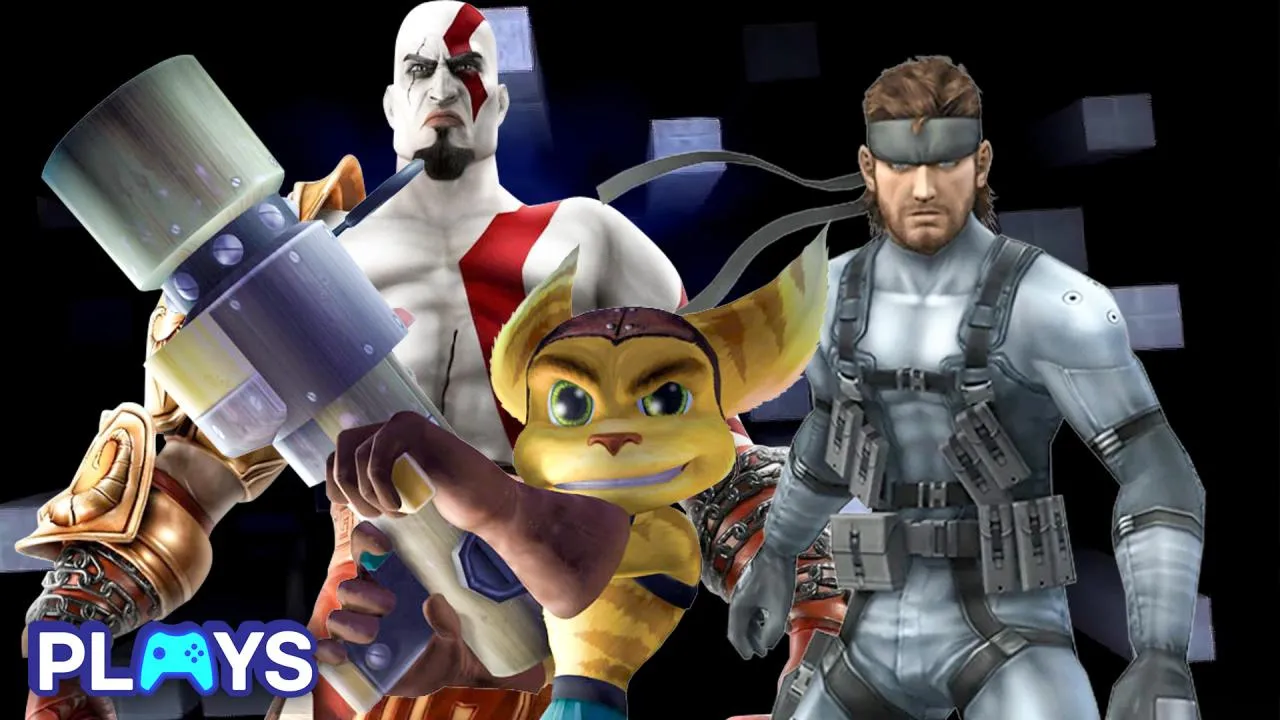
What Video Games Can Learn From The PS2 Era
Looking back at my many, MANY years of gaming, there’s one fact that remains undeniable: we had no idea how good we had it. There’s a reason the PS2 is the most popular and best selling console of all time. But it wasn’t just the PS2 that made this generation of gaming so special. Microsoft’s original Xbox and Nintendo’s GameCube are just as fondly remembered today, even if they didn’t have the same mass appeal and sheer catalog of memorable and iconic games that helped define the entire sixth generation. These days gaming consoles are more powerful than ever, we have more games than we could ever hope to play, and we’re more connected than any other generation through our love of games, but somehow despite all of these advantages, gaming just doesn’t feel the same. Somewhere between the sixth generation and the ninth, we lost what made gaming so special and while the Xbox 360 and PS3 generation still had a bit of that spark, after 2013 and the release of the PS4 and Xbox One, gaming was never the same again.
Welcome to MojoPlays and today we’re reminiscing about one of the greatest gaming generations ever made and hopefully explain why gaming doesn’t feel the same anymore, especially for those who grew up during the PS2 era versus gaming today.
Now before anyone starts complaining about nostalgia baiting or rose-tinted glasses, that’s not what this is. Well, not entirely at least. For anyone who grew up playing video games, especially like I did, video games were an enormous part of my life. I always preferred to be home with a new game to play over the weekend rather than going out, but those times with those games, especially the ones I played on my PS2 have stuck with me far more than anything I’ve played in the last 5 years if not more.
The impact of the PS2 cannot be understated. Not only did it make gaming more mainstream thanks to the inclusion of the DVD players, but video games were finally competing with film in terms of their production values. Creators like Hideo Kojima showed what was possible within game storytelling and cinematic scope and greatly influenced the medium into what it is today. Game mechanics that we still use in nearly every genre of gaming were crafted and pioneered on the PS2. This generation was where 3D gaming truly took its first steps to becoming the industry standard. Games like Halo revolutionized first person shooters on console and eventually became a weekend staple with Halo 2 and its online multiplayer. Online gaming also began during this time and while primitive looking today, we never needed more than to simply connect with friends or people we’d never met to have a good time trash talking and scoring killstreaks.
Gaming was at its most pure during this time. Much like today we had more games that we could have hoped to play, but the difference was the quality of these releases. Annual games would drastically improve year over year and not just with the traditional sports games. We got entire trilogies of games within a single generation, from Sly Cooper, to Jak and Daxter and Ratchet & Clank, which even ended up having more than just the base trilogy release on the PS2, we weren’t waiting half a decade for a follow-up to our favorite series, and each new game implemented important gameplay changes that made the experience better right off the disc.
That was another thing that made playing during this era so unique compared to modern gaming. The entire game, whether you bought or rented it, was on the disc. You could simply go to Blockbuster or my personal favorite Hollywood Video, rent a game for the weekend, and if you liked it, rent it again later or go out and buy a copy. The games were the complete experience whether you bought them new, used, or rented, they were the same game and everyone got to experience the same game regardless of how they played. Oftentimes, renting a game was the only way to keep up with the absolutely stacked release schedules we lived through. Video game releases used to be an event. Something you waited for weeks, or months and would get “sick” during the release of your most anticipated game and have to stay home from school, like I did. Just kidding Mom! I never would have done that! …that’s exactly what I did.
We used to camp outside for midnight releases, meeting other gamers and creating new friends and communities simply from our anticipation of a new release. With the ever increasing push for digital games, this community aspect has all but vanished with people simply waiting at home for the newest release to download. Gaming used to bring people together and despite us being more connected than ever, we’ve never been more alone in this hobby. Couch co-op barely even exists anymore so all that bonding time we used to experience has been replaced with Discord calls or in game chat where instead of focusing on having fun you’re doing your best not to get banned for trash talk.
The PS2 era of games also not only play differently compared to modern games that feel the need to hold the players hand through every puzzle and interaction, but they looked different too. I’m not talking about just graphically, games during this time had a completely unique vibe and aesthetic that has somehow remained timeless when everything released these days is designed to look and play almost identically. Nearly every game had their own visual style that differentiated them from one another. Metal Gear Solid 2 looks nothing like Splinter Cell, Ratchet & Clank is completely different from Sly Cooper, and even the Need for Speed games updated their style and gameplay loop from one game to the next, but managed to keep each entry fun and compelling unlike the series’ more modern entries.
Games from the sixth generation remain timeless because of their art style which were artist renditions of photo realism rather than full body scan of actors, environments and making every game balance on the edge of the uncanny valley. These games are not only still incredibly playable today, but some games manage to rival ninth generation games on the most modern hardware with the most cutting edge graphics. These games were also much more than just skin deep. You take the majority of PS2 games, completely ignore their story, cutscenes and performances and focus solely on the gameplay, and you can still have an incredible time with the gameplay first style of PS2 era titles. There was no yellow paint, no slow walking exposition, and no journalist mode for easy completion. Video games used to challenge their players and allow them to uncover their mechanics on their own, rather than spell out every single action to them in a pop up menu. No, I don’t need to be told how to walk or move the camera for the one thousandth time, the first thing I did when you actually let me play the game was push all the buttons to see what they did.
Video games of this era were booming in popularity and along with the sheer number of games released every month, and approximately 4000 games to play during the sixth generation’s lifecycle, there was typically something for everyone and if you were to ask one hundred gamers what their favorite PS2 game was, you’d likely get a different answer each time. These games were self contained and their smaller scope crafted more personal experiences and lasting memories rather than the scale of the experience. Most PS2 games could be beaten in a single sitting and even the larger titles still capped out at around 40ish hours. Offering more than enough content for players to feel satisfied and just long enough for them to want to replay the game again and again. It’s called replay value.
This was also a time of innovation and the peak age of experimentation as well. The PS2, Xbox and even GameCube are full of video games that would never get approved by today’s publishers, becoming cultural icons of the generation, and timeless classics that are still referenced today would have never even been developed in the modern day gaming landscape. Games that continuously pushed the consoles to their limits, creating worlds and gameplay mechanics never thought possible and what’s more, these worlds felt alive. Whether it was NPCs, the environments or the characters themselves, games of this era felt reactive. Some games like the Red Faction series even let players almost completely reshape the game’s terrain. Others such as Psi-Ops: The Mindgate Conspiracy set players loose with an arsenal of physic powers to experiment with. Stealth games were revolutionized and iterated on with the Metal Gear Solid, Splinter Cell and Hitman series respectively, and the many mechanics these titles crafted are still utilized today. The games were insanely interactive as well. All the way back in the PS2’s first year, Metal Gear Solid 2 had more interactivity in its opening tanker chapter than many modern games have in their entire runtime.
Game publisher and developer reputations once meant something too. Insomniac, Naughty Dog, Konami, Capcom, hell even Ubisoft and EA, having these publishers attached was usually a sign of quality back in the sixth generation. A slate of incredible game releases built up confidence in gamers’ minds that simply seeing the publisher's name on the box art let them know they were in for a one of a kind experience. Nowadays, publishers and developers are still cashing in on these franchises that they had no hand in creating decades ago. How often do you see the blurb “From the creators of…” in game articles or trailers, knowing the people who created those genre defining titles have long since moved on? There’s a reason these companies continue to try and cash in on gamer’s nostalgia for these franchises and it’s because their name and reputation alone in the modern age doesn’t carry the same weight it used to.
Probably the most important aspect that made the games of this era so timeless and memorable was the fact that AAA didn’t exist. Okay it did, but not like today. The term didn’t even originate in this generation. Typically every game studio of the sixth generation could easily be classified as AA at best. Most of these studios’ staff were well under 100 developers for every project, which not only allowed them to work more closely with one another to deliver the best version of the game. The smaller development teams also allowed these developers to work on multiple projects at once, something almost unheard of in the ninth generation. Some of the most visually stunning and beloved classics of the PS2, Xbox and GameCube systems were imagined, programmed and developed by usually less than 50 people. This approach to game design allowed the teams to have better communication between each department because they were all typically in the same office, and make decisions much faster, streamlining the development process without needing to go through multiple channels to make a simple change.
So what happened after the sixth generation to make games feel created less by passionate developers and more like corporate check boxes? Well, just like in everything successful, executives got involved, and suddenly gaming was less about the games and more about how to monetize them while putting in the least amount of effort. Video games USED to be developed by dedicated and passionate creators who wanted nothing more than to see their creation come to life and have players experience the world they had poured their passion into. However, once video games went mainstream and the casual market took notice, so did the mega corporations. Now, passionate devs were pushed aside for money men and share holders, resulting in taking fewer risks and fewer original ideas coming out of major publishers and developers. Do you think something like Shadow of the Colossus or Mister Mosquito would get greenlit by today’s modern publishers? Not a chance.
Once the executives took over, creativity and originality was the first thing to go. Video games were no longer about the creative and artistic aspirations of the medium and instead became almost solely focused on monetizing the absolute crap out of every product these once renowned developers released. Properties that used to have loyal fanbases turned their backs on the gamers who made their franchises household names in the pursuit of profit and the mythical “modern audience”. Games became oversimplified in order to appeal to the widest demographic of players with the goal of enticing new players over the loyal fanbase. Naturally this more corporatized approach to game design has been a non-starter with not only the games’ loyal fans failing to play the new releases, but the new “modern audience” publishers and developers are so desperate to appeal to also failing to show up even for the games specifically tailored to them.
Video games used to offer a challenge not only gameplay-wise but also narratively as well. Titles like Metal Gear Solid 2 and 3, Bully, Manhunt, or really anything from Rockstar’s PS2 days, all challenged players by pushing boundaries and oftentimes making the player uncomfortable with their ideas. Nowadays every game has its rough edges sanded off so as not to offend anyone and in turn has nothing meaningful to say.
The implementation of DLC and microtransactions has also been extremely detrimental to gaming overall. I grew up in the generations where the entire game was not only on the disc, but if there were a few bugs and glitches, it only added to the game’s charm. Somehow video games that can take almost a decade to produce with some of the most advanced gaming technology available are in a less playable state than games released 20 years ago without a single patch or update. This once again ties into the size of development teams these days. Did you know the scale of GTA6 is so enormous that most of the studios within Rockstar don’t even know the full narrative of the game? Multiple internal studios from all across the globe are now tasked with building games and getting them out the door in almost an alpha state, and gamers are expected to simply accept this is the way things are done now. But, why? Why is that just how video games are designed now?
Over the last decade or so, AA and indie game developers have been utilizing the same development scale PS2 games used to work under. Smaller, dedicated teams with modest budgets once again innovating on the games industry and accomplishing incredible visionary creations that have become generational masterpieces. Meanwhile, AAA game development continues to bleed money, resources, and talent with near consistent layoffs and studio closures.
Video games used to be created by gamers for gamers and would listen to their community feedback to make their next game even better than the one before it. However, today’s game developers and the culture of “toxic positivity” has led modern developers and publishers to lash out at any criticism of their games, no matter how miniscule, and they wonder why no one wants to play their copy/paste games of franchises that have long overstayed their welcome. AAA game development stifles creativity. You need only look at games like Clair Obscur: Expedition 33 or Dispatch, both games developed by former Ubisoft developers who grew tired of working on the same game ad nauseam and instead left to craft some of the most beloved games of this generation. AAA game development is dying, they just don’t realize it yet. Long live AA and Indie.
If you look at the majority of games released this entire generation, something begins to come into focus. Most of the games people are playing aren’t new releases, but retro. Remakes and remasters have become the largest library of the ninth generation, whereas new titles can take upwards of five to ten years to release in a near unplayable state. Gamers long for the days of good old fashioned, inventive and creative video games, something this generation has desperately tried to move away from, instead putting profits over artistry, and gamers have had enough. There’s a reason the majority of the remasters released today are from the PS2 era, and it’s because those titles are timeless, still replayable 20 years later with only minor updates required.
The scale of game development has become unsustainable. With budgets ballooning past Hollywood blockbusters, themselves widely over budgeted, video games are pricing themselves out of their core demographic. But you know what generation didn’t and remains a classic for both nostalgic gamers and even for those who weren’t even born until the mid-2000s? The sixth generation. The PS2 era is without a doubt the greatest output of video game creativity the medium has ever seen. Modern games might have the flashy and pointless ray-tracing and cinematic presentation, but an entire console generation still manages to outperform nearly every major studio still riding the coattails of the past glory.
AA and indie game developers have long since realized the PS2 era isn’t just the past, it’s the future. With game development tools more powerful than ever, so much so that many of the most popular games today have been created by one or a handful or programmers and creators, you have to wonder why every game from a major publisher needs hundreds of millions of dollars and a team of hundreds if not more to get one game out the door every five to seven years at best. AAA publishers and developers have become arrogant, believing simply the name of their studio should carry the same weight that it did back then, while delivering games that pale in comparison to those classics of generations past.
The PS2 era of gaming, alongside Xbox and GameCube is the blueprint of how to become successful in the gaming industry. Not only did many of these console games revolutionize gaming overall, but their titles have stood the test of time, resulting in gaming becoming more widely accepted by mainstream audiences, all without pandering to them or oversimplifying their mechanics. Video games are works of art and likewise deserve the utmost respect for their craft, which is something that can never be truly appreciated by people who only look to monopolize these dedicated developers' creations. Until these big corporations begin to realize less is more and return to the AA style of game development, the industry will continue to bleed itself dry of not only game creators, but also new players.
Don’t worry about the majority of us though. We’ve still got 4000 games to work through in our backlog. Or maybe, we’ll just create our own game that we always wanted to play.
Which generation of gaming was your favorite and do you think modern gaming can ever return to the glory days of the sixth generation? Share your thoughts in the comments.
