10 Things You DIDN'T Know About Resident Evil: Code Veronica
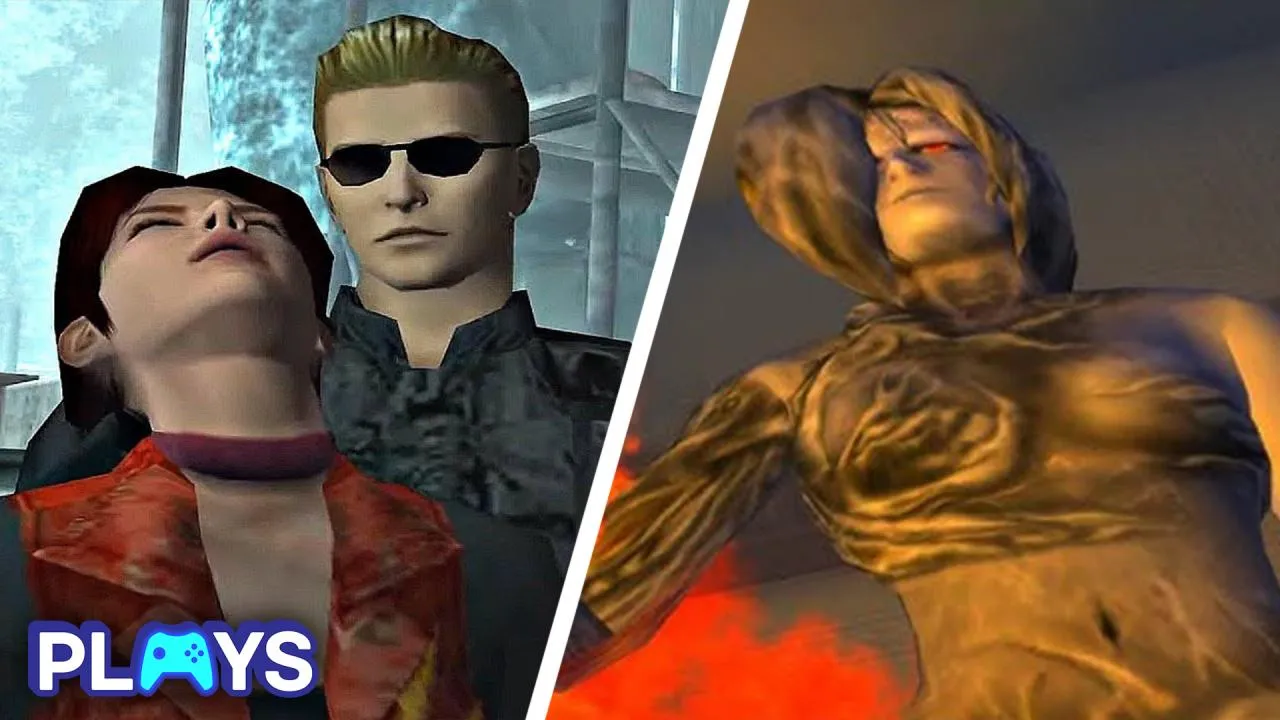
10 Things You Didn’t Know About Resident Evil Code Veronica
Welcome to MojoPlays, and today we're digging into one of the most beloved — and weirdest — entries in the Resident Evil series: Code: Veronica, the "spin-off" that somehow feels like the true sequel packed in Antarctic nightmares, Ashford family drama, and more Wesker swagger than you can shake a Tyrant at.
The Original Resident Evil 3
Here’s some serious fuel for those never-ending canon debates. Early in development, Code: Veronica was initially planned as the official Resident Evil 3, a direct, big-budget follow-up to RE2 with Claire and Chris taking center stage. However, between Sony’s influence, tight deadlines, and some internal shuffling, it got downgraded to a “spin-off” with the Code: Veronica name, while what we know as RE3 and Jill’s story in Raccoon City took the coveted numbered spot. This corporate switcheroo still drives fans crazy today, with plenty of people arguing Veronica feels way more like the true sequel in scope, stakes, and that signature Redfield family energy. It’s the kind of behind-the-scenes mess that makes you roll your eyes at how the industry works, but damn if it didn’t result in one of the series’ most memorable adventures anyway. Spin-off label or not, this game earned its legendary status the hard way.
Protagonist Swap
Code: Veronica’s development took some wild turns right from the start. It originally starred Jill Valentine before a major rewrite shifted everything over to Claire Redfield and introduced the iconic Ashford twins. This change triggered a complete overhaul of the story, including the entire Ashford family backstory and their twisted Antarctic legacy. Capcom’s plans were clearly in flux during this period as the project evolved. What started as a potential Jill follow-up became something much bigger, darker, and weirder. The end result gave us one of the most memorable sibling dynamics in the whole series. It’s fascinating to think how different the game could’ve been with Jill trudging through that frozen base instead of Claire, but sometimes the best Resident Evil stories come from those big mid-development pivots.
Ashford Family’s Original Origins
This one’s a wild piece of cut lore. Early on, Alfred and Alexia Ashford were conceived as descendants of a Nazi family named Krueger who fled to the island after World War II. Capcom ultimately scrapped it, likely to avoid potential bans or backlash in sensitive markets like Germany. It’s a stark reminder of how careful developers have to be with historical references, even in over-the-top horror. The final Ashford backstory still carries that aristocratic creep factor, but knowing the darker original concept adds an extra layer of “oh damn, they really went there.” These rewrites showed how much the narrative evolved during development while keeping the core unsettling family drama intact and avoiding the risk of the game becoming unreleasable in major territories.
T-Veronica Virus Creation
The lore in Code: Veronica gets even weirder when you dive into the Ashford family’s twisted science. In-game files explain how they created the T-Veronica virus by splicing ant queen genes into the Progenitor virus—the same “mother” virus that served as the basis for the T-Virus. This ant-themed biology ties directly into Alexia’s horrifying mutations and adds some genuinely creepy layers to the franchise’s viral madness. While other games tend to keep the zombie juice relatively straightforward, Veronica goes all in with royal ant genetics and queen instincts. It’s peak Resident Evil weirdness that still stands out as one of the more unique and memorable virus origins in the entire saga. The attention to those biological details makes the Ashford story feel just that much extra unhinged.
Code: Veronica X-tra Content
If you haven’t played the 2001 updated version of Code: Veronica, you’re seriously missing out. This release added roughly 7-10 minutes of new cutscenes that greatly expanded Wesker’s role, including tense new confrontations with both Claire and Chris. They also included graphical tweaks and extra ammo to smooth out the pacing. These additions heavily shaped how fans view Wesker’s character arc and turned the game into what most people now consider the definitive edition. This kind of thoughtful post-launch support is common today, but felt pretty rare for the era. Capcom basically looked at the original and said “we can make this even better” and actually followed through. Whether you call it Code: Veronica X or Complete, this is the version that truly cements its legacy in the series and gives Wesker even more menacing presence.
RE Upgrades
Code: Veronica marked a huge technical and graphical leap for the Resident Evil series. It ditched the pre-rendered backgrounds of earlier games for fully polygonal environments with dynamic cameras, plus introduced actual save checkpoints instead of relying solely on ink ribbons. This shift made the game feel more alive and responsive overall, even if those infamous tank controls didn’t age as gracefully. It was a bold milestone on the Dreamcast and later the PS2 that influenced future entries and showed Capcom was ready to push hardware limits. You can feel the ambition in every swinging camera angle and explorable room. Not bad for a so-called “spin-off” that ended up setting the template for modern survival horror navigation. It proved the series could evolve while still delivering that signature tension and atmosphere that fans loved.
Missing Munitions
Code: Veronica went through some serious inventory trimming late in development. Files still contain data for specialized Calico bullets designed for the MP-100P submachine gun, complete with icons and descriptions that never made it into the final game. There were also extra jewels for puzzles and other unused weapons that got simplified or removed entirely. It keeps with Capcom’s tradition, cutting cool ideas to keep the core experience focused and tight. These scraps show just how much they were tweaking resources and balance right up until launch, and while it resulted in a leaner game, it’s fun to imagine loading up with those fancy bullets and turning Bandersnatchers into Swiss cheese. Behind every clean Resident Evil inventory screen lies a graveyard of ambitious ideas that didn’t quite survive the final cut.
Versus
Here’s a fun one that makes you wonder what could’ve been. Digging through Code: Veronica’s files reveals leftover code and menus for a scrapped versus mode where players could actually control enemies like Hunters or those creepy Bandersnatchers. We can only imagine the absolute chaos of siccing mutated horrors on your friends in multiplayer matches, but it clearly shows Capcom was already experimenting with bigger multiplayer ambitions back in 2000, years before they fully leaned into that direction. Sadly the mode got cut, probably due to time constraints or technical headaches on the Dreamcast hardware, but those remnants offer a fascinating peek behind the curtain. Too bad we never got the chance to terrorize each other with giant moths and acid-spitting freaks. It adds another layer to how ambitious the team was even while rushing out what became a beloved spin-off and the unused assets are a constant reminder of the road not taken.
Cinematic Influence
Let’s talk about that final boss fight against Alexia. The X version upgraded the whole sequence with stylish camera work and effects clearly inspired by big action films of the era. Suddenly Wesker’s superhuman reveal hits much harder, complete with dramatic flair that makes his betrayal and power feel properly cinematic. It’s like they watched The Matrix once or twice and decided giant ant-virus mutations needed more slow-motion drama. These changes turned an already wild encounter into something that still looks pretty damn cool today. The original Dreamcast version was solid enough, but this update shows Capcom knew exactly how to punch up the spectacle when they got a second pass at it. If you’ve only played the first release, you’re missing that extra “oh crap, Wesker is actually terrifying” energy that makes the finale land with more impact. The added polish really helps the sequence hold up years later.
Mean Mugging
One of the coolest things about digging into Code: Veronica’s history is seeing how even small polish tweaks could change the overall vibe. In the later X version, Capcom adjusted Chris Redfield’s model in the finale, toning down that intense, almost constipated rage face into something more heroic and composed. They also swapped the credits music and refreshed a few inventory icons for that extra layer of shine. Nothing massive on its own, but these changes make the definitive version feel a bit more cinematic and satisfying. These little adjustments prove Capcom was always sweating the details, sometimes literally softening a hero’s scowl so you don’t accidentally chuckle during what’s supposed to be an emotional reunion. Resident Evil has always had insane attention to detail, even when it’s the subtle stuff that most players might never consciously notice. The fact that they bothered with these fixes at all speaks volumes about the care put into the game.
How many of these blew your mind or made you want to replay Code Veronica? Drop your favorite moment (or biggest Ashford-related nightmare) in the comments.
