The US IR Ceasefire And it's Effect On America Explained
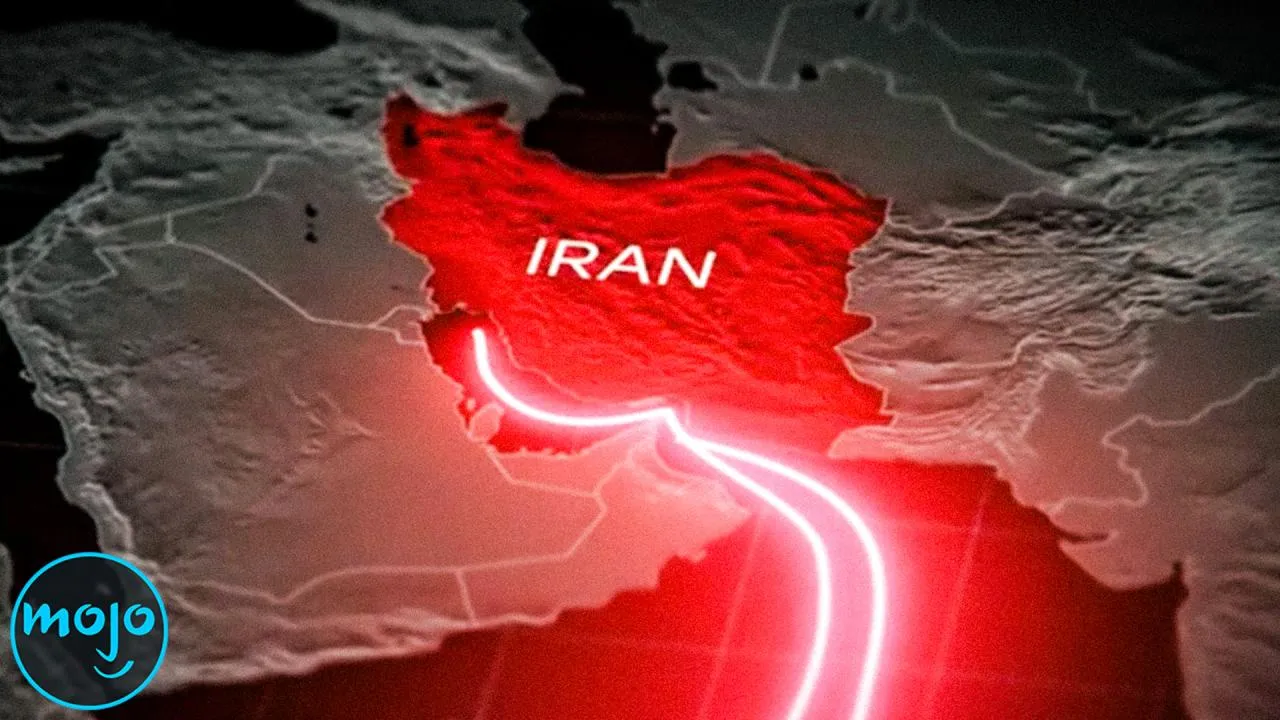
Iran Can Credibly Claim It Won The Immediate Showdown
If you’re judging by optics, Iran has a real argument. The Islamic Republic didn’t collapse. It didn’t surrender. And it didn’t accept a neat, cinematic defeat. Instead, after weeks of war, it’s entering a ceasefire that Tehran can present as proof that it endured American and Israeli pressure… and still got to the negotiating table on its own feet. Survival matters in a conflict like this. In fact, for regimes built on resistance, survival is often the whole point.
Both Washington and Tehran were offering sharply different versions of the agreement and both were publicly claiming success. That alone tells you something. This isn’t a scenario where one side was clearly broken. It’s one where perception is doing a lot of the work, and for the Islamic Republic, simply living to fight another political day is something it can sell as a win.
America’s Case Is That It Won Something Bigger
But this is where the counterargument comes in. The U.S. case isn’t really that Iran vanished, because it obviously didn’t. The U.S. case is that America achieved a broader strategic goal. U.S. President Donald Trump has called the ceasefire proof of a “total and complete victory,” while senior U.S. officials have said Iran’s military capabilities, air defenses, and naval assets were heavily degraded during the conflict. Whether you buy the White House’s rhetoric in full is another matter entirely, but the larger point is still important: war is not always about immediate regime change.
Sometimes it’s about shrinking your opponent’s capabilities, limiting their future options, and forcing them into a narrower strategic box. The U.S. military is presenting itself as ready to resume fighting if diplomacy fails. So from Washington’s perspective, the argument is this: Iran’s leadership survived, yes, but it’s weaker, more exposed, and more constrained than before. That is how America can claim it lost the battle of optics while still maybe — just maybe — winning the long strategic contest.
The Two Sides Were Fighting Different Wars
Iran and the United States were not pursuing the same objective — that may be the real heart of this story. For the Islamic Republic, this was a war of survival, legitimacy, and narrative. The regime needed to endure. It needed to avoid being seen as broken. It needed to show its supporters, its bureaucracy, and its security apparatus that it could take a hit and stay standing. For the United States, the objective was broader and less immediate: deterrence, containment, regional signaling, and strategic pressure.
That difference matters because it explains why both sides can come away claiming victory without necessarily sounding absurd. If your goal is survival and you survive, you can call that a win. If your goal is to damage an adversary’s long-term capacity, and you do that, you can also call that a win. That’s why this ceasefire is so politically slippery: it’s not a neat ending. It’s a pause in which both sides are trying to lock in the story they want the world to remember.
What This Means For America Is Also About America Itself
This conflict has sharpened questions that were already hanging over Washington. Those questions include: how far should America go in backing Israel, and what exactly counts as “America First” in a Middle East war that risks dragging in shipping lanes, oil prices, and regional bases? Those questions aren’t going away because the bombs paused for two weeks. If anything, the ceasefire makes them more urgent.
President Trump’s abrupt move from annihilation threats to accepting what he calls a workable Iranian proposal has already been read by critics as another example of maximalist rhetoric followed by tactical retreat. Meanwhile, the president’s supporters are presenting it as proof that military pressure forced diplomacy. That split tells you a lot about the American political battlefield now surrounding this war. In other words, the ceasefire now becomes another front in the Trump administration’s own domestic struggle over foreign policy… and sheer credibility.
Was America Fighting For Israel?
America’s broader war here was never just about missiles, proxies, or even the ceasefire itself. It was also about alliances, deterrence, and the uncomfortable reality of how intertwined U.S. and Israeli interests have become. Historically, the U.S. lost Iran as a close partner after 1979, and over time Israel filled part of that strategic vacuum. That created a relationship that is powerful, effective, and complicated. Israel believes it influences America. America believes it influences Israel. Who controls whom? In a sense, the answer is simply: yes.
That’s why so many Americans keep asking a blunt question: are we fighting this for Israel? The honest answer is not entirely... but it’s not entirely wrong either. The U.S. is clearly acting in its own interest as well. From Washington’s perspective, the Islamic Republic remains a long-term threat, not just because of what it has done, but because of what it has consistently shown it wants to do. Iran has not directly struck the U.S. homeland, but that says more about capability than benevolence. Its record of acting through proxies is well established, and the 1983 Marine barracks bombing in Beirut remains one of the clearest symbols of how anti-American violence tied to Iran’s regional network has played out before.
Pakistan, China, & Russia All Come Out Of This Looking Different
If you zoom out, the ceasefire is also reshuffling the wider playing field. Pakistan clearly gains stature from this moment because it was central to the mediation effort and is hosting the next round of talks. That alone gives Islamabad a bigger diplomatic role than many expected. China also appears to gain, quietly but meaningfully. Trump himself said he believed China helped push Iran toward negotiations, and Beijing now gets the opportunity to look like a country that can preserve its standing on the global stage without getting dragged into direct combat.
Russia, by contrast, looks sidelined. Moscow welcomed the ceasefire and immediately pivoted back to its own concerns over Ukraine, which tells you how little operational leverage it really had in influencing this outcome. So one of the effects on America is that Washington gets to show that when it uses force, the real strategic echoes are heard not just in Tehran, but all over the world. That doesn’t mean America solved the regional issues. Instead, it means that America reminded its rivals what U.S. power still looks like when it’s actually used.
The Iranian People Still Lose… & None Of This Is Actually Settled
For all the talk of winners, the most obvious losers remain the Iranian people. A ceasefire does not fix repression, stagnation, censorship, or fear. It doesn’t suddenly hold the regime more accountable. It doesn’t rebuild what’s been destroyed. And it certainly doesn’t answer the question that keeps haunting every conversation about Iran’s future: if the Islamic Republic were to weaken further or eventually fall, what exactly replaces it?
At the same time, this ceasefire is disconcertingly fragile. Major details remain disputed, shipping rules in the Strait of Hormuz are unresolved, and Israeli strikes in Lebanon continue outside the core arrangement. Simply put, this is not peace. It’s a dangerously fragile pause wrapped in competing propaganda. Iran may have won the battle by surviving. And America may yet argue that it won the war by reshuffling the field. But for ordinary Iranians, and frankly for the wider region, the deeper reality is stark: the crisis isn’t over. It merely entered a new phase.
So, what do you think: did Iran really win by surviving, or did America come out ahead by changing the strategic landscape? Let us know in the comments below.

