Everything Aileen: Queen of the Serial Killers Left Out
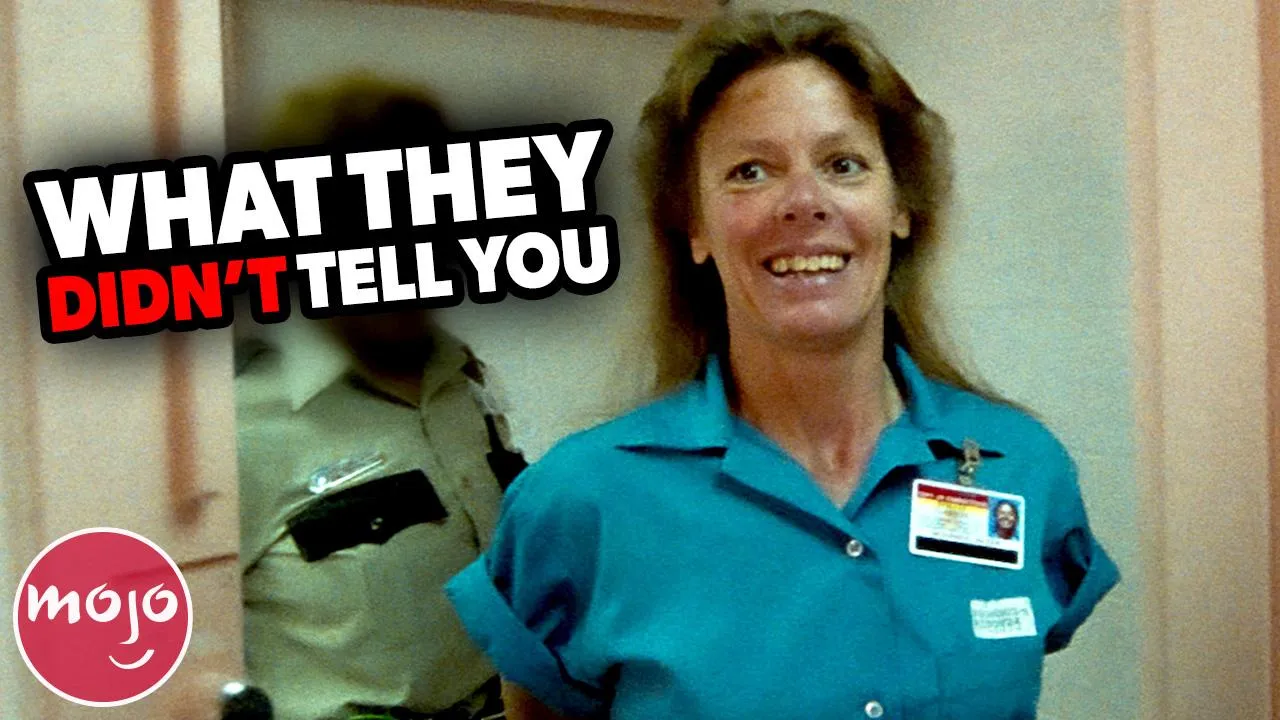
Aileen Had An Atypical Upbringing
In “Queen of the Serial Killers” Aileen briefly recaps her earliest memories of her family. She describes a normal, loving relationship with the grandparents who took her in. She attributes her grandmother’s passing, when she was 14, to the beginning of her rebellious streak. However, the documentary glosses over a truly harrowing element of her story that was detailed in an autobiography. Before being adopted, Aileen was raised by a single mother, Diane, who was only 16-years-old. Aileen never met her father, as he’d been incarcerated for numerous crimes and eventually took his own life in prison. Diane later stated she regretted giving Aileen up to her parents because they’d been abusive during her own upbringing. Although there’s no mention of it in the Netflix documentary, Aileen’s claims about the man who raised her were not unlike her mother’s.
Aileen Claims She Was Abused By Her Grandfather
Aileen was led to believe that her grandfather, Lauri, was her own father. She asserts that after she discovered the truth, Lauri (who family described as “an alcoholic”) began to abuse her. The documentary does air a clip where she acknowledges that she was sexually assaulted by boys in her school, but Aileen had also accused Lauri of the same crime in other interviews. According to a 1991 Tampa Bay Times article, she was impregnated young. And if the rumors are true, this was at the hands of her grandfather’s friend. This child was given up for adoption. Oddly, Aileen’s soundbite in the documentary makes it sound as if her adolescence before running away was nothing but bliss. However, these accounts of abuse, which were corroborated by childhood friends, more clearly explain what she was running from.
Aileen Claims She Slept With Her Brother
Aileen wasn’t an only child. Her brother Keith suffered the same turbulent childhood. However, one morbid detail that was left out of the documentary entirely is Aileen’s claim that she had a brief, incestuous relationship with him. Details are murky, though a Los Angeles Times piece written in 1991 asserts that she’d made this claim during correspondences with reporters. According to unsealed Florida court records, those who grew up near Aileen testified that they’d heard the rumors of this taboo relationship. On the other hand, one friend describes Keith as sweet, affirming that Aileen loved her brother and this misconduct hadn’t been made known. Keith passed away when they were still young, so the truth will likely never come out.
Aileen Hated Media Coverage of Her Case
When the bodies began piling up, police and media were hot on the trail. Female serial killers make up less than 15% of cases, so to learn a woman was responsible was sensational—hence the title of the documentary, “Queen of the Serial Killers.” Aileen’s trial was covered widely, and there have been a number of high profile films, books, and shows based on her life. A few moments in the documentary would lead viewers to believe she reveled in this exposure, like this account from movie producer Jackie Giroux. Or what she whispers in the ear of Jasmine Hirst, who filmed a series of interviews with her. However, by the time Aileen was nearing execution she had come to despise the attention. She realized that those who had entered her circle had ulterior motives, and couldn’t actually help her case. She went on numerous tirades about how society had “railroaded her ass.” Aileen turned to the only one she believed could have her back in this life: Jesus. And so she retreated from accountability, mentally turning herself into a victim perhaps greater than the men she’d killed.
Aileen Peddled Conspiracy Theories About Police Aileen gave an infamous interview from prison just one day before execution, during which she claimed to have been tortured by police while sitting on death row. Brief excerpts were included in the documentary, but most was left on the cutting room floor. She mentions spy cameras set up in her cell, and uncomfortable frequencies that had been pumped in to cause a lingering sense of discomfort. Aileen also insists that every issue which led to a grievance was amplified rather than fixed. And her logic why? She implies that her food had been poisoned, naming numerous attempts to assassinate her. Because of her deteriorating mental state, the legality of putting her to death was called into question. She even mentions that police had been aware of her killings, and allowed her to continue because she was cleaning up the streets. This ultimately allows her to shift the blame off of herself and onto a wider systemic issue.
Aileen’s Gender Factored Into Her Treatment
From the very opening of “Queen of the Serial Killers,” we’re offered two very different perspectives on Aileen Wuornos. First, a police captain describes how repulsive Aileen is, reprimanding her more for her appearance than her crimes. Then, filmmaker Jasmine Hirst offers a nuanced perspective on how Aileen was treated by the public. This establishes a sense of duality that ultimately played a part in how Aileen was received by the judge and jury. Some of the psychological torture Aileen references was denied and never proven. But it was documented that she’d experience an incredibly harsh imprisonment. According to a hefty court filed complaint, Aileen describes how she’d been left naked and freezing in solitary confinement. She was also denied hearing aids, glasses, and doctor visits—losing an unsettling amount of weight behind bars. According to a 1990 study by the Florida Supreme Court Gender Bias Study Commission, because female offenders account for such a small percentage of violent crime, the reaction to their deeds is often extreme. As a result, they’d been treated more harshly for their felonies.
Aileen Was Once Married
Many know Aileen as a lesbian, whose lover Tyria Moore ultimately betrayed her and turned her in. However, most don’t realize she’d married 69-year-old Lewis Gratz Fell in 1976. This was over a decade before her killing spree started, but it was very short lived. He quickly filed a restraining order against her, claiming she had “a violent and ungovernable temper.” He also asserted that she’d attacked him with his cane, but like in her later cases of murder, Aileen responded that this was in self defense. Their marriage was annulled just nine weeks after it was made official.
Which detail of Aileen Wuornos’ case did you find the most shocking? Comment below.
