10 Franchises That Constantly REINVENT Themselves
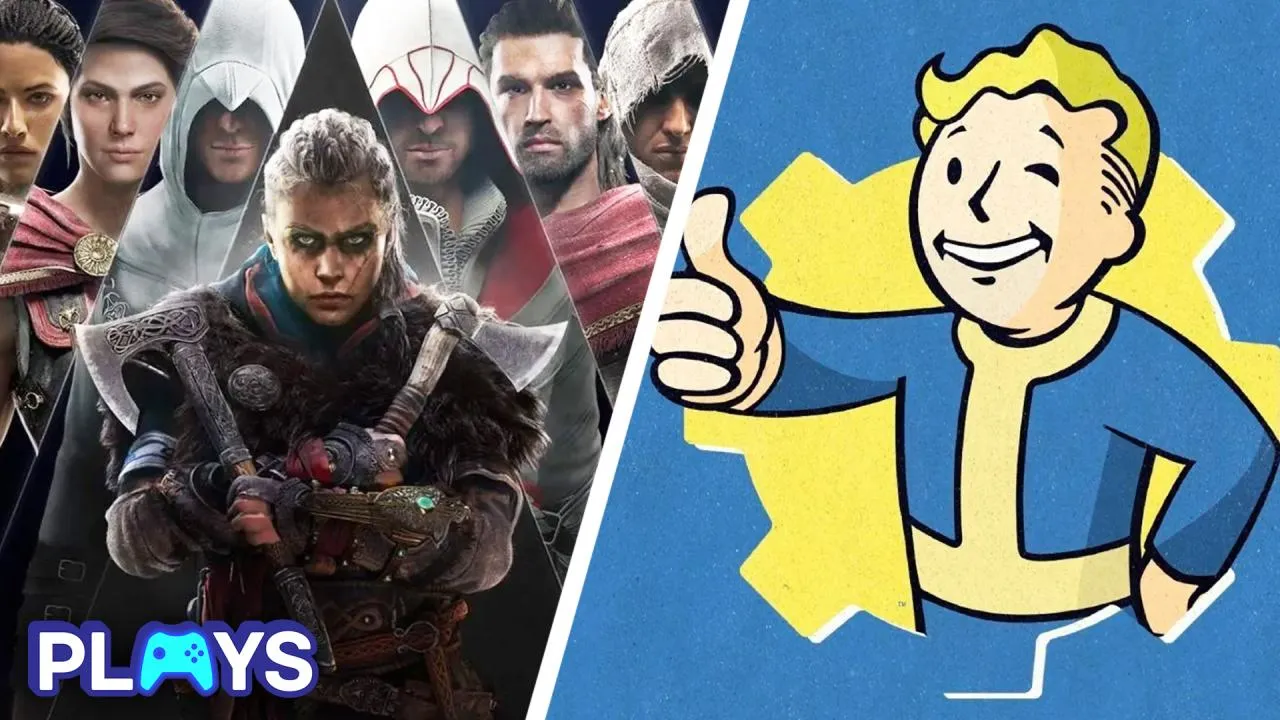
Fallout (1997-)
War never changes, but Fallout sure does. Starting as an isometric RPG, this series reinvented itself under Bethesda as a sprawling, first-person adventure. Fallout 3 stunned everyone by dropping players directly into an immersive wasteland, full of moral dilemmas and weird radio stations. Then came Fallout: New Vegas, giving the series a wild-west twist with enhanced storytelling. Fallout 4 took things even further by letting you build settlements and customize weapons to your hearts content. Sure, Fallout 76 stumbled a bit with multiplayer chaos, but each entry boldly tries something new, proving the franchise isnt afraid of nuking its own formula now and then.
Metal Gear (1987-)
Prince of Persia (1989-)
Prince of Persia keeps finding new ways to run up walls literally. Originally a punishing platformer from 1989, the series evolved spectacularly with The Sands of Time, introducing fluid acrobatics and a time-rewinding mechanic. This innovative gameplay fundamentally changed action-platforming forever. Later entries like Warrior Within and Two Thrones went darker and more complex, experimenting with combat and storytelling. The stylish, cel-shaded 2008 reboot delivered yet another reinvention, focusing on puzzle-solving and exploration with a companion character. And lets not forget the hugely underrated metroidvania, Prince of Persia: The Lost Crown. Each incarnation of this iconic series proves its never afraid to leap into new territory, even if occasionally it needs a rewind button to fix the landing.
Super Mario (1985-)
Marios been everything from a plumber to a doctor, a kart racer, and even a party host, but his mainline adventures are where his greatest reinventions lie. From classic 2D platformers to groundbreaking 3D worlds in Super Mario 64, Nintendo continuously pushes the genre forward. Games like Galaxy introduced gravity-defying puzzles, while Odyssey gave Mario a magical hat that could possess enemies. Each main installment introduces something fresh and delightful without losing Marios timeless charm. While Nintendo sure does know how to hit us with nostalgia, this is definitely more than that. Theyre constantly redefining platformers in ways that always make you wonder what kind of surprises the next game will have in store.
Assassins Creed (2007-)
Assassins Creed started as a stealth-heavy historical simulator, but its boldly reinvented itself repeatedly. After climbing every conceivable tower and haystack, Ubisoft shook things up dramatically with Origins, adopting RPG mechanics, loot systems, and expansive open worlds. Odyssey and Valhalla took it even further, blending massive narratives with exploration and player choice. Suddenly, you werent just a hidden-blade-wielding killer. You were exploring ancient civilizations, sailing vast oceans, and making meaningful decisions. At this point, its clear Assassins Creed isnt even close to being done reshaping itself. Who knew history class would ever involve so much stabbing and Eagle Vision?
Final Fantasy (1987-)
Final Fantasy practically invented the art of reinvention. Each numbered title boldly introduces new worlds, mechanics, and stories, often drastically different from the last. From turn-based battles and medieval fantasy settings, to futuristic sci-fi landscapes and real-time combat, the series never settles for routine. Final Fantasy VII shocked gamers with cinematic storytelling, X delivered full voice acting and innovative leveling systems, while XV went fully open-world with real-time combat. XVI continued the trend, bringing dark themes and action-heavy gameplay, proving that even after decades, the franchise stays unpredictable. Final Fantasys endless experimentation proves it always feels excitingly new, even if naming conventions remain delightfully baffling. Seriously, "Final" Fantasy XVI?
Kirby (1992-)
Dont be fooled by Kirbys adorable appearance. This pink puffball thrives on constant evolution. Kirby games started as simple platformers but quickly began experimenting with gameplay mechanics, from epic yarn-crafted worlds to touchscreen-based gameplay in Canvas Curse. Recently, Kirby and the Forgotten Land jumped into fully 3D territory, giving fans an entirely fresh perspective on Kirbys powers. Whether piloting robots, racing against rivals, or swallowing cars whole, Kirby remains creative and surprisingly innovative. I dont think anyone would have expected Nintendos cutest mascot to secretly be its boldest risk-taker. Kirbys adaptability shows that each entry is more surprising than the last.
Resident Evil (1996-)
Resident Evil has reanimated itself almost as many times as its famous zombies. The original defined survival horror with fixed cameras and tense exploration. Then Resident Evil 4 flipped the script entirely, reinventing the genre with intense, action-driven gameplay and over-the-shoulder shooting. When fans felt the series got too action-heavy, Capcom did it again with Resident Evil 7, introducing first-person horror and terrifying new monsters. Village doubled down on the formula, mixing horror with gothic fantasy and werewolves and a really tall vampire lady, because internet. Capcoms willingness to experiment keeps Resident Evil fresh, ensuring the only thing scarier than the games themselves is predicting what crazy direction theyll take next.
Sonic the Hedgehog (1991-)
Sonics been reinventing himself ever since he sprinted onto screens in 1991. After revolutionizing platformers with blazing-fast gameplay, Sonic bravely jumped to 3D with varying success. Sonic Adventure introduced new storytelling and gameplay styles, while Sonic Unleashed even dared to make him a Werehog. Recently, Sonic Frontiers offered a refreshing open-world format, giving fans unprecedented freedom. Plus, Sonics movie adaptations brought newfound popularity, proving hes still got legs. Sure, Sonics had ups and downs (looking at you, Sonic 06), but his willingness to experiment shows that the franchise remains relevant and fans keep forgiving his missteps.
The Legend of Zelda (1986-)
The Legend of Zelda is undeniably legendary and a masterclass in reinvention. Every major Zelda title boldly redefines adventure gaming. Ocarina of Time revolutionized 3D exploration; Wind Waker stunned everyone with its vibrant cel-shaded art; Breath of the Wild completely reimagined open-world gameplay, emphasizing player freedom like never before. Tears of the Kingdom further pushed creativity, letting players build and fuse items into endlessly creative contraptions. The Legend of Zelda consistently innovates while respecting its roots, ensuring that each game feels unique yet unmistakable that its Legend of Zelda. Nintendo continues to keep this franchise fresh and continuously rewrite the rulebook, proving you can indeed teach an old hero new tricks.
Were there any franchises that you feel should have made our list? Be sure to let us know in the comments!
