20 Games That Were KILLED by Hype
- ames Killed by Hype
- "Evolve" (2015)
- "Saints Row" (2022)
- "Dragon Age: The Veilguard" (2024)
- "Gotham Knights" (2022)
- "Skull and Bones" (2024)
- "Balan Wonderworld" (2021)
- "Daikatana" (2000)
- "Mighty No. 9" (2016)
- "Marvel's Avengers" (2020)
- "Brink" (2011)
- "Splitgate 2" (2025)
- "Mass Effect: Andromeda" (2017)
- "MindsEye" (2025)
- "Redfall" (2023)
- "Anthem" (2019)
- "Suicide Squad: Kill the Justice League" (2024)
- "Aliens: Colonial Marines" (2013)
- "Duke Nukem Forever" (2011)
- "The Day Before" (2023)
- "Concord" (2024)
20 Games Killed by Hype
Welcome to MojoPlays, and today, today we’ll be going over the games whose build-up ended up backfiring on them.
#20: "Evolve" (2015)
Remember when four hunters and one giant monster looked like the future of multiplayer? Evolve launched with a mountain of marketing and a confusing web of paid add-ons that made players feel like they needed a budget meeting before a hunt. The idea was fresh, but queues dragged, balance wobbled, and the population fell fast. Developer Turtle Rock tried a pivot with a free to play PC relaunch called Stage 2, which briefly revived interest before 2K eventually shut down dedicated servers. A cool concept for sure, but didn’t have a big enough bite to it.
#19: "Saints Row" (2022)
This reboot promised a slick return to form, but the vibe was way off from the jump. Reviews were mixed, bugs were plentiful, and the writing divided long time fans. It just didn’t have the sense of fun of the originals, neither as a straight-up gangster simulator or balls to the wall r-rated superhero game. Parent company Embracer shut down Volition soon after, terminating any chance for this new iteration to course correct. Nostalgia may be a ticket to the door, but there’s no guarantee it’ll get you into the party.
#18: "Dragon Age: The Veilguard" (2024)
After years of teases and a sudden name change, BioWare finally returned to Thedas. Expectations were sky high. Then the conversation shifted to what was trimmed, what was rushed, and why it did not become the cultural thunderclap fans imagined. As it happened, the follow up to Inquisition was essentially a patchwork of bad decisions. Abandoned live service elements and remnants of the older games all stitched together with story and characters that fell far below the richness of what had come before. For many it was the nail in the coffin for the studio’s reputation, while others could only lament at how Dragon Age of all things had gone from something that could rival the best dark fantasy title to a neutered Frankenstein devoid of much of the RPG goodness we had all been craving.
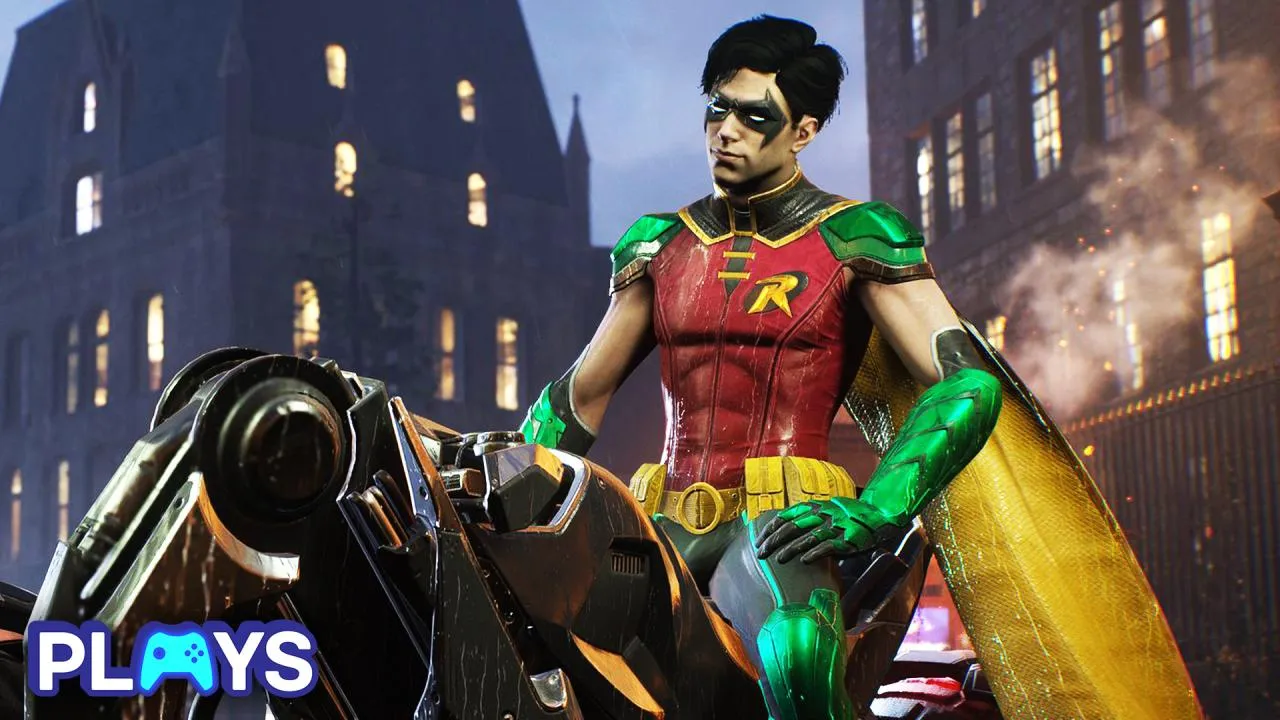
#17: "Gotham Knights" (2022)
Batman took the night off and told the family to handle it. The result was a cooperative romp that could have been fun. Could have. Unfortunately, technical misfires and one of the worst UIs ever devised dashed any hopes of that. Loot-focused progression and repetition did not help matters. It honestly felt soulless, coming nowhere near to the darkness and intrigue of the Arkham games. When your big contribution to the gaming zeitgeist is frame rate discourse, hype has already left the clock tower. That and Red Hood using non lethal guns. Seriously?
#16: "Skull and Bones" (2024)
Ah yes, the first quadruple A game. Even with all of our skepticism, none of us were prepared for how hard Ubisoft’s pirate fantasy dropped anchor. The immersion was shallow at best, the naval combat paled to the magnificence of Black Flag - a game made over a decade earlier - the world felt lifeless, and was overall just a tedious time at sea. All of Ubisoft’s bluster resulted in their biggest failure to date, and that is saying a lot given their track record. The only thing they accomplished was meme-a-fying the term quadruple a game, and giving their ships stamina bars.
#15: "Balan Wonderworld" (2021)
With one of the creators of Sonic at the helm, this platformer should have been a sensational slamdunk. Instead, it became a cautionary tale on how even legends can trip over their own feet. Or in the case of Balan - trip over their own feet straight into a minefield. The one button design was ridiculous, while its emphasis on costumes granting the player unique abilities offered shockingly little gameplay variety. Did we mention the musical numbers that play at the end of every level? We’d say Balan was all style and no substance, but then we’d have to redefine the meaning of the word style.
#14: "Daikatana" (2000)
An infamous piece of promotional material promised that John Romero’s latest game was going to blow minds everywhere. Nowadays, his bravado is more memorable than the game itself. By the time Daikatanna shipped, the level design, AI, and performance felt like a time capsule. Underwhelming by any definition, let alone one that was supposedly going to make so-called bitches out of any player who participated. Hubris has spelled the downfall for many a game, and this is one of the earliest examples of it blowing up in a developer’s face.
#13: "Mighty No. 9" (2016)
This crowdfunded spiritual successor to Mega Man at one point seemed to accrue universal support. Fans poured in and stretch goals soared. Then came the delays, a messy launch, and a promotional line about making anime fans cry on prom night that became the wrong kind of viral. The action was flat and the presentation unpolished. Compared to the antics of the blue bomber, this thing was DOA in the mainframe. Crashing and burning in such a spectacular fashion despite having the support of what felt like the entire gaming landscape is a tactic straight out of Dr Wiley’s playbook.
#12: "Marvel's Avengers" (2020)
On paper, this looked unbeatable. A game centered on the Avengers at the height of the MCU’s popularity. Alas, while the campaign may have had its moments of superhero fun, the majority was bogged down in what would sadly go on to become the blueprint for lazy, manipulative and greedy live service features. A billion different currencies, stats that meant nothing, cosmetics locked behind exclusivity details, and an endgame that eventually whittled away. When expansions focused purely on Black Panther and Spider-Man can’t save you, you know you’re done.
#11: "Brink" (2011)
This parkour shooter promised a slick, stellar experience with its so-called revolutionary SMART movement system. Too bad it fell flat on its bizarre looking face. Online hiccups, woeful gunplay, a story mode that can barely be considered bare bones, even the parkour wasn't anything to write home about. Everything it tried to accomplish back in the day was swiftly improved upon by better games soon after, and due to how limited the multiplayer aspect turned out to be, it's no wonder it suffered such a short life cycle.
#10: "Splitgate 2" (2025)
So…did this make FPS’ great again? Apparently not, given the reception. The original Splitgate generated plenty of interest and goodwill by mixing portal traversal with decent gunplay, generating enough fanfare to warrant a sequel. Thanks to some rather choice words made by the studio head, all eyes were on Splitgate 2 to see if it could truly shake up the genre. Only for it to drastically drop the ball. Aggressive microtransactions, an unprecedented shift from the first game’s core features and a litany of technical problems buried its chances, to the point where we doubt its capability of crawling out of the hole it’s dug for itself.
#9: "Mass Effect: Andromeda" (2017)
This was where the Bioware magic began to fade, and the cracks were starting to show themselves. Andromeda launched in an abysmal state, with meme worthy animations, performance issues aplenty, and a serious downgrade in the story department, which for a Mass Effect game, is a major problem. Fans who expected a triumphant start of a new trilogy were severely underwhelmed, and while the combat could be argued to be some of the franchise’s best, the world-building around it couldn’t handle the zero g’s. Might explain why it was shuffled away to become the first of many black sheep in Bioware’s catalogue.
#8: "MindsEye" (2025)
The GTA killer this was not. Despite being pioneered by one of the lead developers behind the most commercially successful franchise in all of video games, Leslie Benzies’ solo outing unfortunately wasn’t able to mirror his previous accomplishments with Rockstar. All the hype and flashy trailers in the world couldn’t save the game from being dragged through the mud upon release. Broken doesn’t do it justice. Glitches galore infested every level of MindsEye, making it literally unplayable for many. On top of that, its core mechanics were also caught lacking. Failing a mission just for slightly straying off the beaten path? Sorry guys, that’s not gonna fly.
#7: "Redfall" (2023)
Arkane, beloved developer of Dishonored and Deathloop, took a shot at blending vampire hunting with open world co-op. Only for them to start hemorrhaging interest from fans old and new pretty quickly. The markings of a planned live service game were present all throughout, gouged out at the last second, leaving a hollow shell behind made up of dismal enemy AI, choppy connectivity issues, and a gameplay loop desperately chasing Left 4 Dead’s coat tails. This bloodsucker sucked so much it forced the head of Microsoft Gaming to apologise on stream. Ouch!
#6: "Anthem" (2019)
For all of Bioware’s blunders, this remains the absolute bottom of the barrel. Ironic, given how trailers and its promo teams would have us believe the game would take gaming to new heights. Yes, flying around in a mech suit is cool. What isn’t, is excessive padding, loot so poorly implemented the stats were rendered meaningless, not to mention the least memorable story Bioware has ever crafted. Turmoil behind the scenes would bring the game’s ugly interior to light. While it had spent an excessive amount of time in pre-production, the actual development cycle was shockingly quick. It’s a stain on the developer’s reputation that will never truly fade, and they have no one but themselves to blame.
#5: "Suicide Squad: Kill the Justice League" (2024)
Imagine going from the Batman: Arkham games to this. Now that’s what you call a fall from grace. Hopping on the live service bandwagon with reckless abandon, playing as Harley Quinn and company became an exercise in frustration and microtransactions. Even with three of your buddies helping you out, the repetition and sheer drudgery on display here will make you resent every moment. Evidently, well-produced cutscenes and the nostalgia for the Arkham-verse could only carry it so far before the obvious corporate check boxes rose to the surface. The blowback was so immense that their plans for endgame content went up in smoke. They lived long enough to become the villain, and we are all the poorer for it.
#4: "Aliens: Colonial Marines" (2013)
Every trailer shown promised the kind of intensity that could only come from taking on a horde of Xenomorphs as the ultimate badass. What was delivered was a game with zero thrills, and thanks to some poor coding, some of the most braindead enemies ever found in a so-called triple A game. Critics panned it, cries of false advertising were thrown around, before swiftly being dusted under the rug, vastly outshined by the likes of Alien Isolation. In space, no one can hear you facepalm.
#3: "Duke Nukem Forever" (2011)
Announced in the nineties, released in 2011, and somehow already old when it arrived, Duke Nukem Forever set the high score for development purgatory. The game finally shipped after a relay of studios and engines, greeted by reviews that said the humor had curdled and the design felt stuck in time. Dated really is the optimal word here. It couldn’t weaponise its own nostalgia, offered no kind of innovation, and sadly became the very thing it was trying to mock and parody.
After fourteen years of waiting, fans wanted a king. They got an awkward, drunk uncle instead.
#2: "The Day Before" (2023)
Like a bat out of hell, this survival MMO blazed onto the scene, teasers and trailers promising the kind of zombie apocalypse fans had been waiting for. It was almost too good to be true. As you’d expect, it was. That being said, nobody could have predicted just how immense the fallout would be. The game launched, and four days later, the developer announced it was shutting down. Sure, they cited a variety of paper-thin reasons, but even an undead husk could see that the whole thing was a scam. The warning signs were there, but the hype had drowned them out. Needless to say, the game no longer exists, and its creators have become one of the industry’s most loathed pariahs.
#1: "Concord" (2024)
Even the most casual of gamers could tell you that nowadays the hero shooter genre has become saturated across the board, and while the occasional gem might slip through, betting all you’ve got on an Overwatch clone with no distinct personality of its own is probably not a wise move. Someone really should have told Sony, because Concord has since become one of the most legendary bombs gaming has ever seen. Two weeks after launch, the negative reception and abysmal sales led to Sony cutting the chord. Concord now lives on as a slide in meetings about live service risk, and as a reminder that brand power is not the same as staying power.
Did any of these games prove to be a major disappointment for you? Be sure to let us know in the comments!
