TV Creepiest Documentaries Ever Made
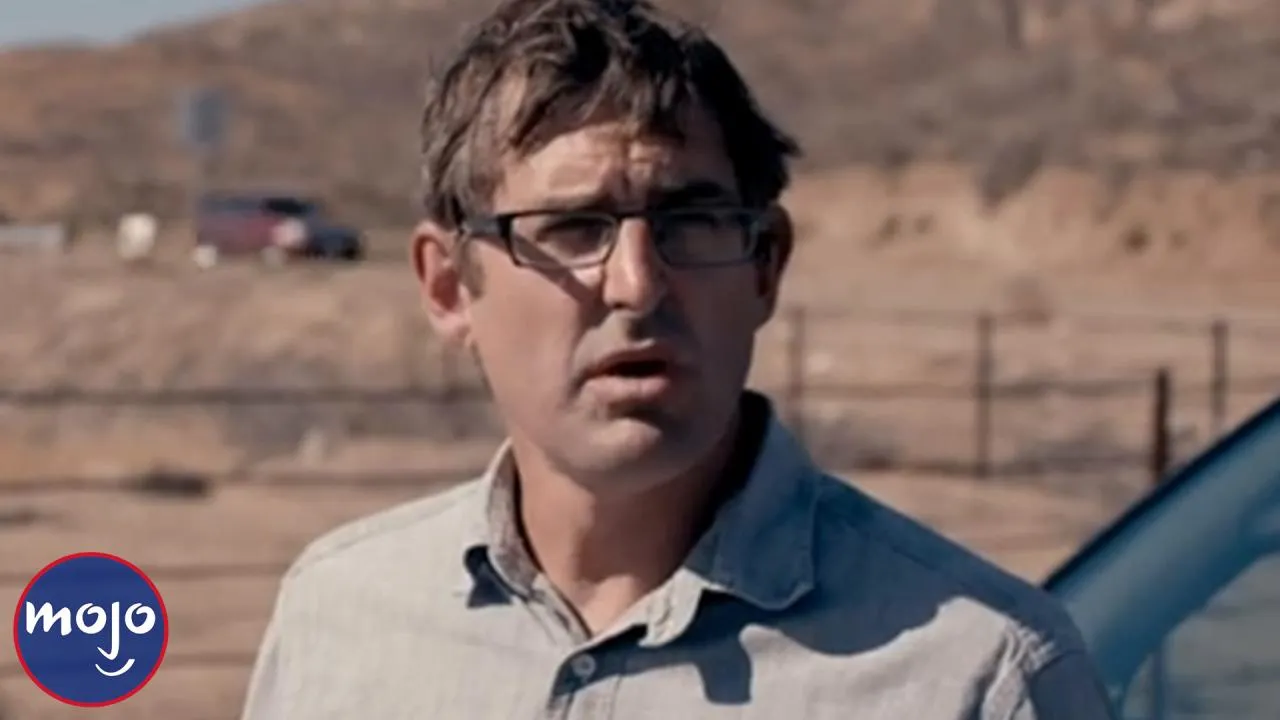
#10: “Tabloid” (2010)
Back in September of 1977, Mormon missionary Kirk Anderson was supposedly abducted and abused by a woman named Joyce McKinney. The story became known as the Manacled Mormon case. This terrifying story was extensively covered in the British tabloids, specifically the warring rivals Daily Express and Daily Mirror. The documentary “Tabloid” conveys these events with unnerving detail and is even narrated by Joyce McKinney herself. That shocking choice immediately brings viewers closer to the case than they expected. As a result, those watching will further question the story that she weaves because it has multiple viewpoints and perspectives.
#9: “Tell Me Who I Am” (2019)
If you forgot your worst experiences, would you want to hear about them or live in blissful ignorance? That was the struggle Marcus Lewis went through when his brother, Alex, lost his memory at 18. “Tell Me Who I Am” follows the two siblings. It starts out wholesome, with Marcus painting a picture of a perfect childhood. Things fall apart when Alex finds a horrific childhood photo, leading to the revelation that their mother had abused them. The final part reveals what Marcus could never say to his brother: that she allowed men to hurt them as well. It’s a harrowing look into the effects of trauma, and how telling a happy lie can help the one telling it cope with the truth.
#8: “The Ripper” (2020)
Between 1975 and 1981, Peter Sutcliffe killed around a dozen women and attacked many more in the north of England. He was dubbed the “Yorkshire Ripper” because, like Jack the Ripper, he targeted working girls. This Netflix documentary delves into Sutcliffe’s reign of terror and how he was able to get away with it for so long. It looks at the ineptitude of West Yorkshire police investigating the crime, who kept inefficient records and failed to follow up on many leads that pointed to Sutcliffe. It's a damning look at the failure of British law enforcement to protect the women and girls who worked the streets of Leeds, Sheffield, and Manchester.
#7: “The Dying Rooms” (1995)
The one-child policy in China was intended to reduce the population. It succeeded, but at the cost of countless girls across the country. “The Dying Rooms” focuses on orphanages that house minors — primarily girls and disabled boys — that have been abandoned by their parents. There, they were left to die of neglect. What the crew found while filming can only be described as horrific. Victims were tied in place on makeshift potty chairs or packed together in cribs, and protocols confirming safety and hygiene were ignored. Despite the horrific footage, the policy remained in place for another twenty years.
#6: “Jimmy Savile: A British Horror Story” (2022)
Now one of the most notorious figures in British culture, upon his death in 2011, hundreds of allegations against TV personality and presenter Jimmy Savile came to light. With his victims no longer living in fear, Savile’s reputation and legacy were destroyed. Widely known in Britain, this Netflix documentary brought the monstrous crimes of Savile to a wider audience. It looks at how Savile was able to get away with it for decades, dying without facing retribution, and how various institutions ignored and may have even enabled his abuse. However, it’s also been criticized for keeping Savile in the public eye even a decade on from his death.
#5: Stalkers
In 2022, Dooley gave us all nightmares with the series “Stacey Dooley: Stalkers”. Over two episodes, we hear the stories of victims and the stalkers themselves. One story involved a woman who received threats and knew intimate details of her and her daughter’s lives. It turned out the stalker was her ex-partner, whom she once lived with. We also see the long-term effects this trauma can have on a life. Dooley even spoke to victims whose stalkers were strangers to them, making it seem like anyone could commit this appalling act. She also met convicted stalkers, some that regretted their actions and others who immediately began their dangerously obsessed habits again upon release.
#4: “Black Gold” (2006)
You may not think the coffee industry has much to offer in the way of dark entertainment. Yet “Black Gold” is proof that there’s much more to the beverage than we think. Despite Ethiopian coffee being sought-after in the Western world, those growing it hardly get to reap the benefits. The documentary follows their union’s leader on his journey for the price of the beans to be raised, so that those growing them can be fairly compensated. This leads to the farmers praying to a higher power for their struggles to end. It’s a stark look into how something many in the States take for granted is the key to someone’s success and livelihood elsewhere.
#3: “My Scientology Movie” (2015)
Travelling side-by-side with ex-Scientology member Mark Rathburn, Louis Theroux delves into the innermost circles of the renowned Dianetics-based belief, studying exactly what it is that makes the practices of the group so controversial. While exploring “the science of knowing”, Louis focuses specifically on the alleged mistreatment of its followers by leader David Miscavige. The fact that Theroux was refused cooperation by the Church of Scientology to make a documentary about the belief, makes this film all the more contentious and gripping, as Louis is met with extreme adversity at every turn.
#2: “The Imposter” (2012)
In 1994, 13-year-old Nicholas Barclay disappeared in Texas. Three years later, a man claiming to be Nicholas came forward, but this man wasn’t Nicholas at all: he was Frédéric Bourdin, a French con artist. “The Imposter” explains how Bourdin was able to get away with it for so long, despite being significantly older than Nicholas and not looking anything like him. It’s incredibly disturbing how Bourdin inserted himself into the Barclay family and tricked them into accepting him. Most remarkable of all, however, is that director Bart Layton conducted interviews with Bourdin himself, which makes the case even more complex as he somehow manages to come across as sympathetic.
#1: “The Act of Killing” (2012)
With subject matter this heavy, the British co-production, “The Act of Killing” was always going to be a tough watch. In Indonesia, filmmaker Joshua Oppenheimer interviews former executioners who took part in the Indonesian mass killings of 1965 to 1966. They re-enact the killings in a variety of genres, including westerns and musicals, while Oppenheimer asks them both about their artistic choices in the portrayals and about the events themselves. The “fun” re-enactments juxtaposed with the horrific topics they portray is extremely disturbing. It’s not hard to see why this documentary remains so controversial.
Which of these documentaries did you find the creepiest - and which ones would you add to our list? Let us know in those comments below.

