Top 10 Monty Python Moments That Aged Like Wine
#10: Machine That Goes Ping
Our first entry comes from “The Meaning of Life”, a film not as celebrated as two of their others, but adored by fans nonetheless. Not too far into the movie, we get this hilarious hospital sketch showing a pretty farcical baby delivery. Anyone who’s been involved in some sort of hospital procedure can relate, with doctors rarely explaining to patients what medical machines do. In the decades since its release, medicine has improved greatly, with hospitals increasing their frequency of pinging machines, making this sketch feel more relevant now than it did in 1983.
#9: The Galaxy Song
If you’re not an astrophysicist, you may assume most of the astronomical figures sung by Eric Idle in this tune are complete nonsense. Well, they’re not, the majority are surprisingly correct, and it’s only become more correct with time. In 2014, Idle got both Stephen Hawking and Brian Cox involved, creating a sketch where Hawking runs Cox over for criticising the track. Then in 2016, they updated the figures for a BBC production called “The Entire Universe Show,” with further help from Professor Cox. The amount of effort Idle put into the song’s accuracy is astounding, and serves as a testament to his talents as an artist.
#8: Wafer Thin Mint
One of the most memorable moments from the troupe’s entire career is the Mr Creosote sketch. Even if you’ve never seen the full movie, most people have watched the wafer-thin mint sketch. It’s one of the most revolting moments in cinema, concluding with Mr Creosote violently exploding. Shockingly, this sketch was initially rejected. Thankfully, it made it to the final product, and it feels like a timeless satire of excess consumerism. Many fans interpret it as a metaphor and a criticism of overconsumption, showing that a society that encourages consuming everything will ultimately destroy itself.
#7: The Argument Clinic
This next sketch first appeared in “Flying Circus,” and is so cherished that it was later performed at numerous live shows. People consider it an example of how to be massively incompetent at arguing. This makes it feel more relevant in today’s day and age on account of the internet. Viewers at release may have longed for an argument clinic, which we now have an abundance of, but it’s instead called the web. Finding arguments as sidesplitting as this one is extremely rare, though. The idea of arguing for a career also seems fairly silly at first, but then you remember that politicians exist.
#6: Spam Sketch
It’s not hard to imagine that future generations may live their lives completely unaware that spam was originally a meat. Now, when you think of spam, most people associate it with rubbish emails. This makes the iconic “Flying Circus” sketch even funnier in today’s day and age. Fascinatingly, the modern term for spam derives from this sketch. It’s not just become funnier with time, but it’s one of the most culturally influential moments in the show. Also, the first two items the cafe owner lists don’t include any spam, but the customers seem to completely forget her mentioning that a moment later.
#5: Always Look On the Bright Side of Life
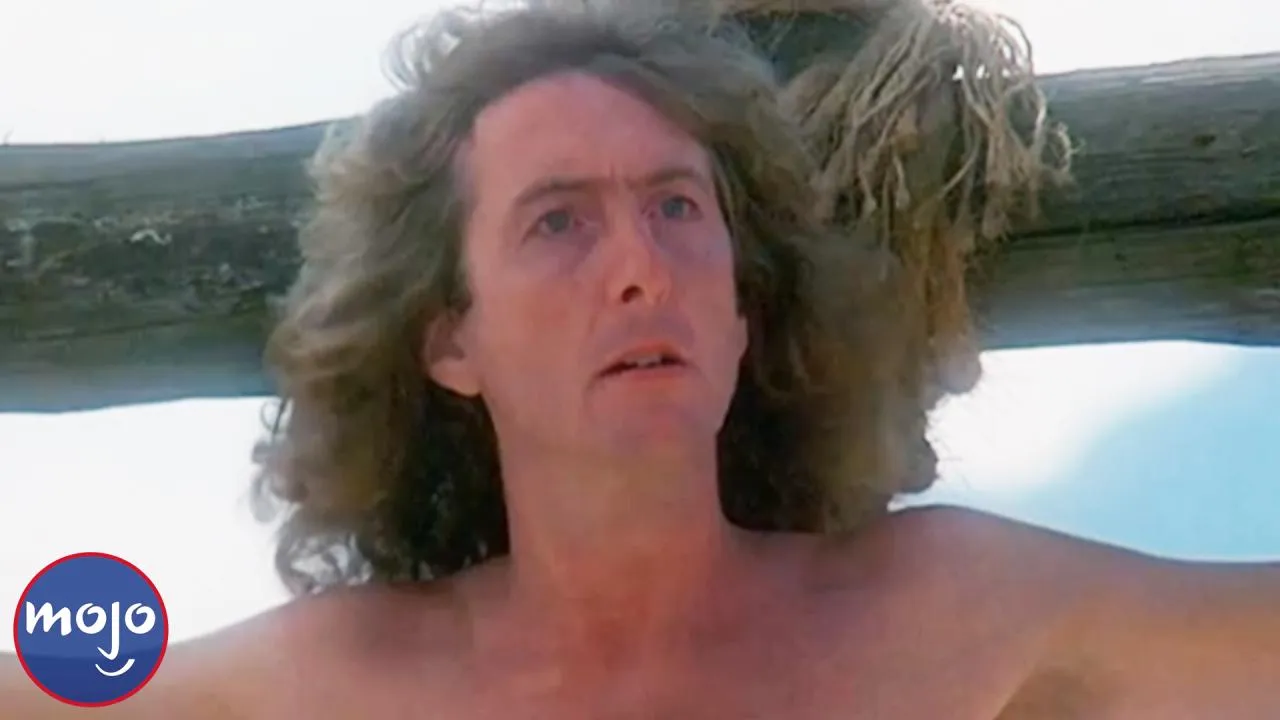
“Life of Brian” is still relevant today for a multitude of reasons, including the boundless optimism we hear in its closing tune. While hung up to crucify, the cast begins singing this surprisingly present jingle. It’s since become a staple of British culture, reflecting our stiff upper lip attitude and determination to cheer ourselves up with laughter, no matter how dark times have become. It’s so culturally seismic that it was played at the London 2012 Olympics. The only time this would become no longer relevant would be if we managed to achieve world peace, and everyone’s problems vanished entirely. That’s not realistic, though, so we’ll be humming this tune to our graves.
#4: Dead Parrot
Many fans consider this sketch to be the height of the Pythons’ career, and it’s easy to see why. It’s a pretty overt satirisation of poor customer service, something all of us can probably relate to. In fact, we believe it’s more relatable now than it was in 1969. That’s because now, customer service standards seem pretty low, with things like online AI chatbots feeling far more frustrating than Michael Palin’s shopkeeper character. The sketch’s timeless nature made it a fixture of their live performances, with them performing it at almost every live show after its initial broadcast.
#3: You Are All Individuals
There are so many defining quotes in “Life of Brian” that it’s rare to find a fan who can pick just one as their favourite. One people often rank highly is when Brian tells his followers they’re individuals, and some random extra improvises this line as a response. It’s one of the most discussed moments of the film, as it is a masterful commentary on individuality within not just religions, but organisations and society as a whole. This makes it hit harder now than it did in 1979, as the internet and globalisation have made us all feel more connected, but to many of us, it comes at the cost of individuality.
#2: What Have the Romans Ever Done for Us?
One topic “Life of Brian” doesn’t shy away from criticising is revolutionaries. The People's Front of Judea is central to the plot, with Brian becoming radicalised by their ranks. While they were undeniably fighting against an Empire that didn’t consider them equals, the Empire did do a plethora of things for them. It may have felt like a bit of absurdity at first, but now it feels like a surprisingly accurate summary of Rome’s complex legacy. A legacy so complex that scholars are still debating whether the quality of life improved for people who were conquered by Rome. We can imagine those discussions being almost identical to the movie’s original scene.
#1: Political Peasant
One of the most out of place characters in “Holy Grail” is the anarcho-syndicalist peasant. It’s h umorous because of the ridiculousness of a medieval peasant being so well-versed in modern political theory. Conversely, it also highlights the absurdity of many political systems from human history, where supreme executive power doesn’t derive from a mandate from the masses. The troupe was masters of anti-authoritarian humour, frequently criticising structures like the government and organised religion. Many comedians cover similar topics, but the Pythons seldom mention specific figures, meaning their abstract brand of humour will be held in high regard for decades to come, maybe even centuries.
What “Monty Python” sketch do you think has stood the test of tim e the best, and did we mention it today? Let us know down in the comments below!
[insert B-roll for CTA]